
Beach Wedding Photography in India: Goa, Kerala & Vizag
India's coastline offers stunning beach wedding settings. We compare Goa, Kerala, and Visakhapatnam for wedding photography — venues, light, and what makes each unique.
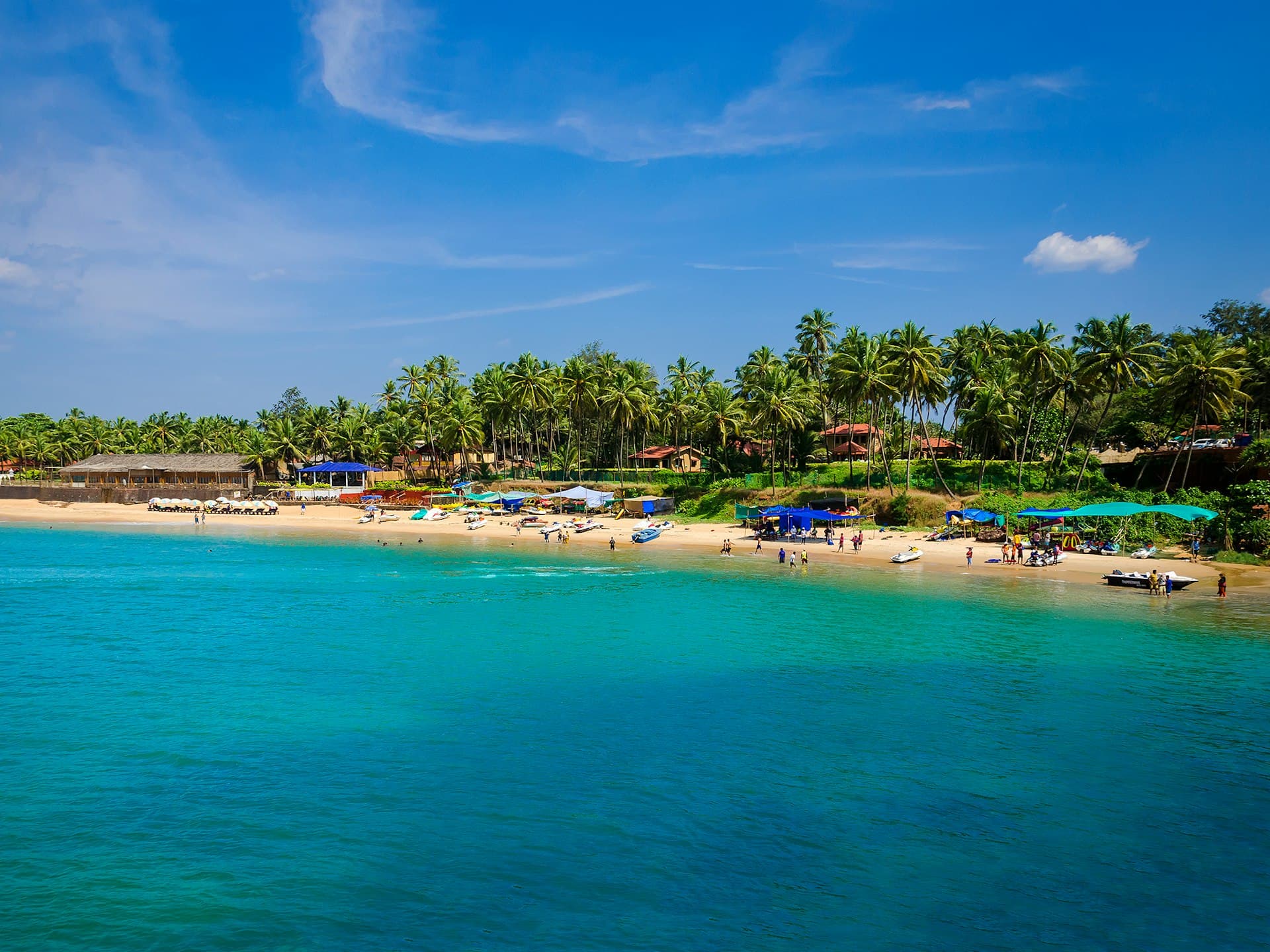
India's 7,516-kilometre coastline includes some of the world's most spectacular beach settings for weddings — and the photography opportunities that each beach wedding destination offers are as varied as the beaches themselves. Goa, with its Portuguese-influenced architecture, dramatic sea-facing cliffs, and cosmopolitan energy, is the most internationally recognised Indian beach wedding destination. Kerala's beaches — Kovalam, Varkala, Beypore, and the quieter shores of Kasaragod — offer a more intimate, lush, and distinctly South Indian character. Visakhapatnam (Vizag) in Andhra Pradesh, with its dramatic rocky coastline and long pristine beaches, is an emerging destination that offers world-class settings at significantly lower costs than Goa or Kerala's premium venues.
Goa's photography advantages are well-documented: the beaches at Morjim, Vagator, Cabo de Rama, and Palolem offer dramatically different visual characters. Vagator's red laterite cliffs create bold, unexpected backdrops. Morjim's wide, flat expanse gives a sense of endless space. The Portuguese churches and colonial villas of Old Goa provide European architectural context that photographs with extraordinary elegance when combined with Indian bridal attire. The golden hour in Goa — the sun setting over the Arabian Sea — is among the most dramatic in India, lasting longer and burning more intensely than inland equivalents.
Kerala's beach settings have a softer, more intimate character. Kovalam's two crescent beaches are photogenic but heavily touristy; for more private beach coverage, Varkala's clifftop setting is extraordinary — the beach is visible from above as well as at sea level, giving dramatic overhead compositions that Goa's beaches rarely permit. The beaches of northern Kerala (Beypore, Kappad, Cherai) offer a quieter, more local character with traditional fishing boats (odi vallams) that add authentic visual texture. For couples who want the beach without the crowds, Kerala's lesser-known northern shores are an excellent choice.
Visakhapatnam's coastline is genuinely spectacular and criminally underutilised for destination weddings. The rocky outcrops at Rushikonda, the wide expanse of Ramakrishna Beach, and the dramatic cliffs at Bheemunipatnam create photographic backdrops that rival anything in Goa or Kerala. The Bay of Bengal light here is slightly different from the Arabian Sea — the sunrise over the eastern ocean is extraordinary, and the blue of the sea itself has a depth and richness that photographs beautifully with a polarising filter. Costs in Vizag are significantly lower than in Goa, making it accessible for couples with tighter budgets who do not want to compromise on visual impact.
For all beach wedding photography, a few universal principles apply. Shoot at golden hour, never midday. Protect all camera equipment from sand and sea spray — a beach is a hostile environment for optical equipment. Use a polarising filter on landscape and wide shots to deepen the colour of the sky and water. Brief the couple on beach portrait techniques: bare feet in the sand, walking at the water's edge, the splash of a wave. And embrace the imperfection — wind-blown hair, a damp hemline, scattered reflections on the wet sand — these are the elements that make beach wedding photography feel alive rather than staged.
Enjoyed this? Share it with someone planning their big day.
Book a Consultation