

Wedding Photographer in Kolkata
Kolkata carries its past in the open. Trams still run on a few routes, the Hooghly moves brown and wide under the Howrah Bridge, and whole neighbourhoods of colonial buildings stand with peeling shutters and banyan roots in the brickwork. Kumartuli's idol makers work in lanes barely wide enough for two people. This city treats ceremony seriously, and a Bengali wedding is one of the most ritually detailed in India. Camrin Films travels to Kolkata for weddings across the city.
+91 9745519554
10+
Years of Experience
5000+
Weddings Captured
20+
Cities Covered
4.9 ★
Google Rating
The Bengali wedding sequence
A Bengali wedding is a sequence, not an event, and every stage has a name and a meaning. The aiburobhat, the gaye holud with its turmeric, the bride arriving covered by betel leaves for the shubho drishti, the mala badal exchange of garlands, the saat paak circles, the sindoor daan, and the bou bhaat the following day. A photographer who does not know what comes next will be facing the wrong way for half of it.
Shubho drishti and the frames that cannot be redone
The shubho drishti is the moment the couple see each other for the first time, and the bride lowers the betel leaves to do it. It happens once, it lasts a few seconds, and it is the single most requested photograph from any Bengali wedding. There is no version of the day where missing it is recoverable.
Topor, benarasi and Bengali wedding aesthetics
Bengali wedding aesthetics are specific and they are not interchangeable with North Indian ones. The topor and mukut headpieces made of shola pith, the red and white benarasi, the chandan patterns painted on the bride's forehead, the conch shell and coral bangles: all of it photographs differently from a Punjabi or Gujarati wedding and none of it should be lit or graded the same way.
Kolkata also holds one of India's oldest and largest Marwari business communities, and Marwari weddings here run to a different scale and a different sequence entirely, with multi-day celebrations closer to Rajasthani custom than Bengali. Two very different wedding cultures share this city and we prepare for whichever one we are booked for.
Heritage houses and pre-wedding settings
The heritage architecture is the visual asset that sets Kolkata apart. Old North Kolkata family houses with internal courtyards, the thakur dalan where a family's Durga Puja is held, and the marble and staircases of the older mansions give a wedding a setting no purpose-built venue can match. Many families still marry in the ancestral house rather than a hotel, and those interiors are dark, cramped, and full of character.
For pre-wedding sessions, Kolkata offers backdrops that no other Indian city has. Kumartuli, where the Durga idols are built in narrow lanes out of straw and river clay, is extraordinary to photograph in and is a working neighbourhood rather than an attraction, so it needs approaching with courtesy and permission. The remaining tram routes, the flower market under the Howrah Bridge before dawn, and the colonnades around Dalhousie Square each give something specific. Several of these are public or operational spaces where an organised shoot needs clearance, and we sort that out beforehand.
Durga Puja, humidity and the season
Durga Puja is the immovable object in the Kolkata calendar. For a fortnight in autumn the city belongs to the festival, hotels and vendors are unavailable, and traffic stops functioning. The wedding season runs from late November into February, and the auspicious dates within it are concentrated tightly enough that the good venues and crews are taken early.
The weather narrows things further. Kolkata's summer is hot and very humid, the monsoon from June through September is heavy, and the winter months are the only comfortable window for anything outdoors. Humidity is also hard on lenses, and a team moving from an air-conditioned room into a courtyard will lose several minutes to condensation if they have not planned for it.
Candid coverage and wedding films in Kolkata
Anyone booking a wedding photographer in Kolkata from outside Bengal should ask whether the team knows the ritual order by name, because that is the difference between coverage and guesswork here. A courtyard house at night, a lit ceremony space under a shamiana, and a hotel reception are three separate conditions, and each is edited against its own light rather than one grade across the day. Candid wedding photography does the work between the named rituals, where most of the feeling actually sits. Wedding cinematography is available for families who want the sequence on film as well, shot by the same team.
Wedding Photography Portfolio
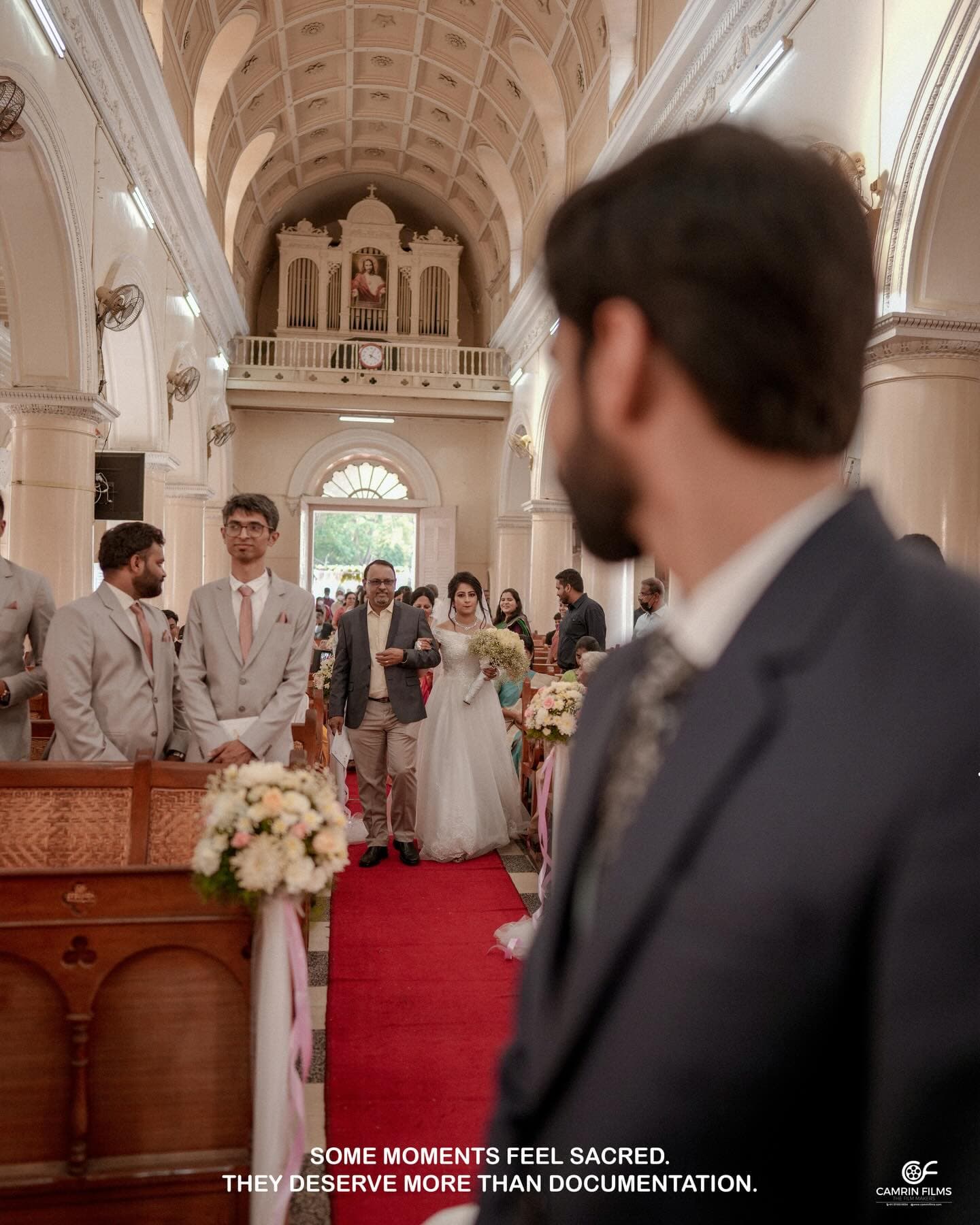
Camrin Films
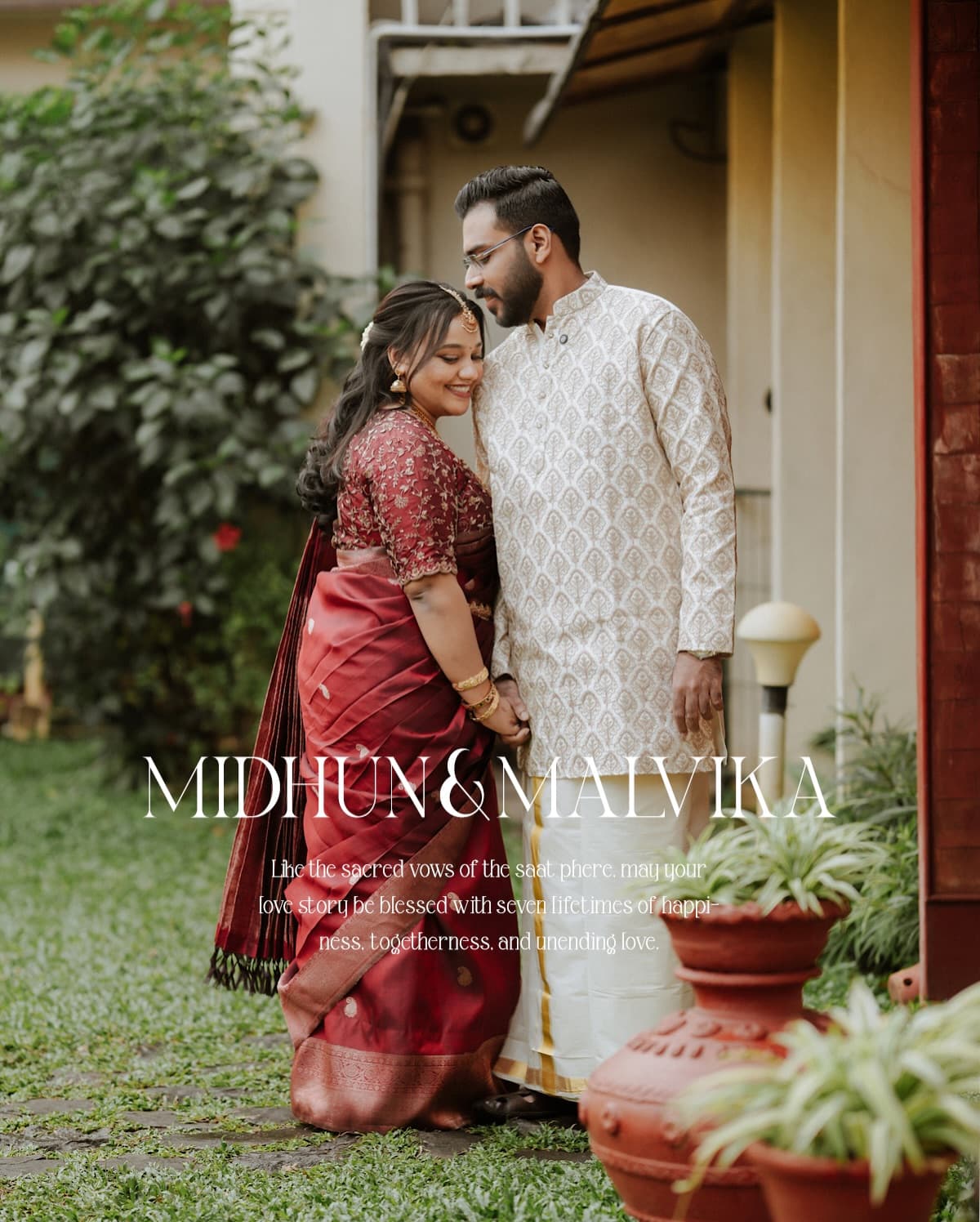
Midhun & Malavika
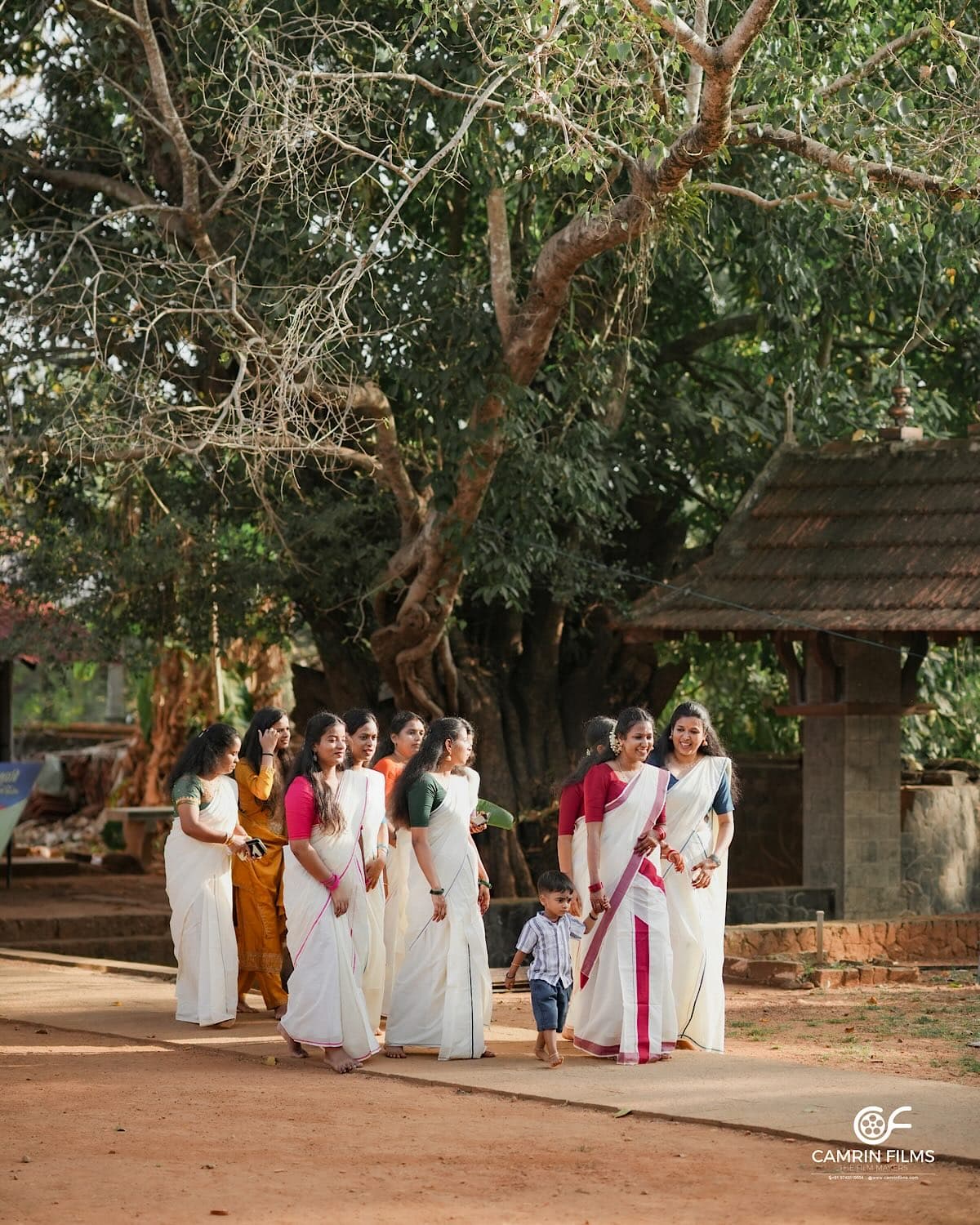
Camrin Films
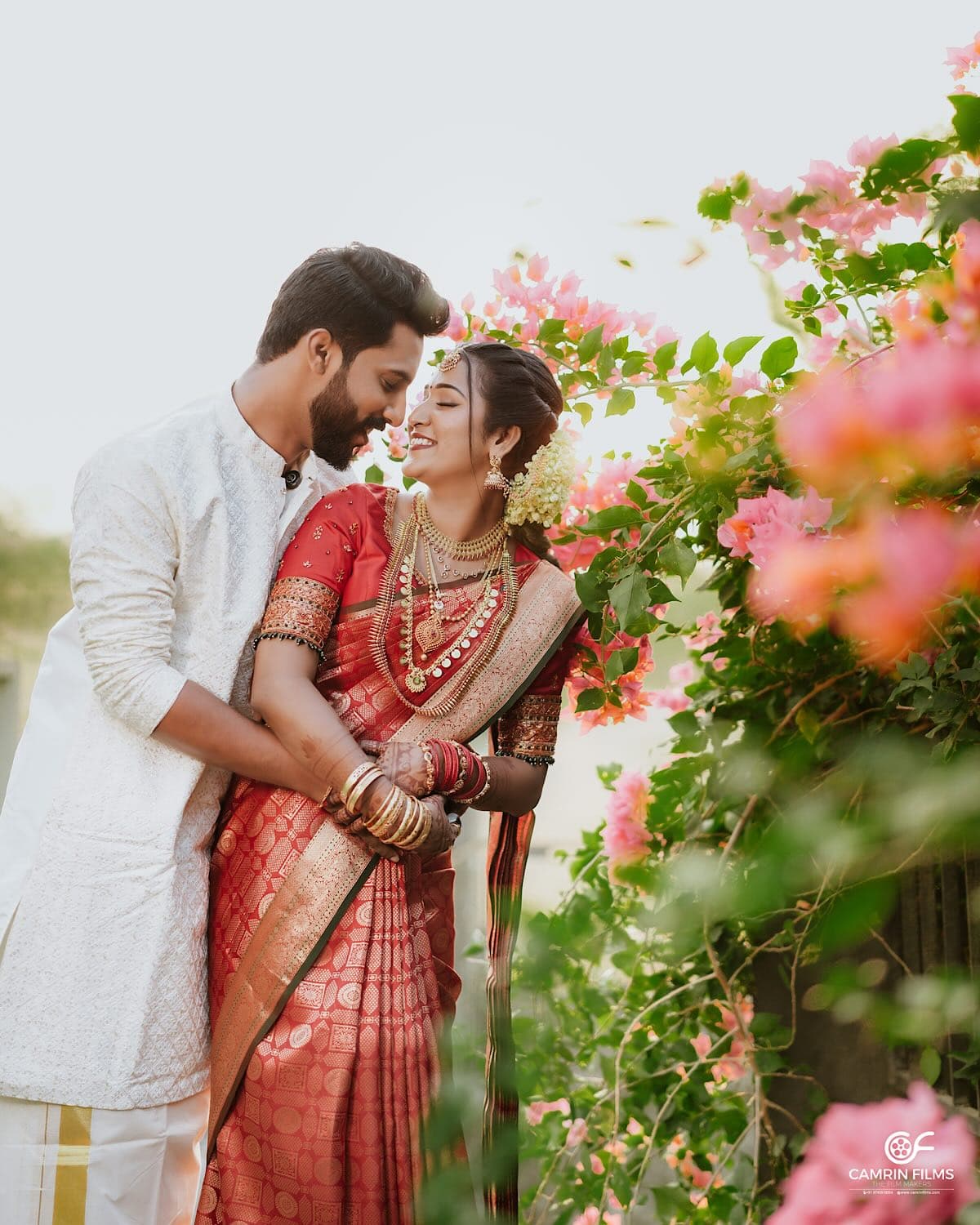
Jeevan & Vindhuja
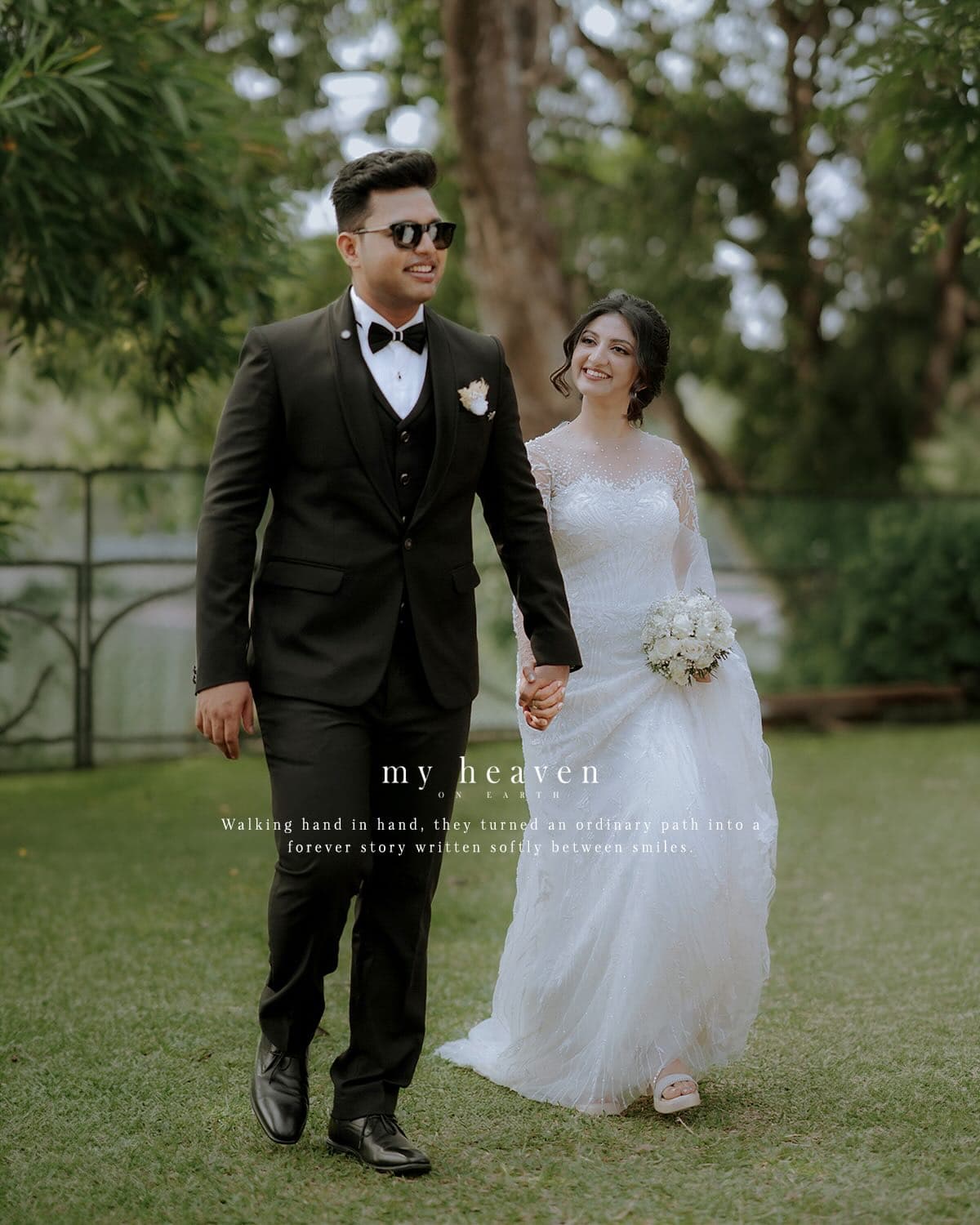
Ajay & Merin
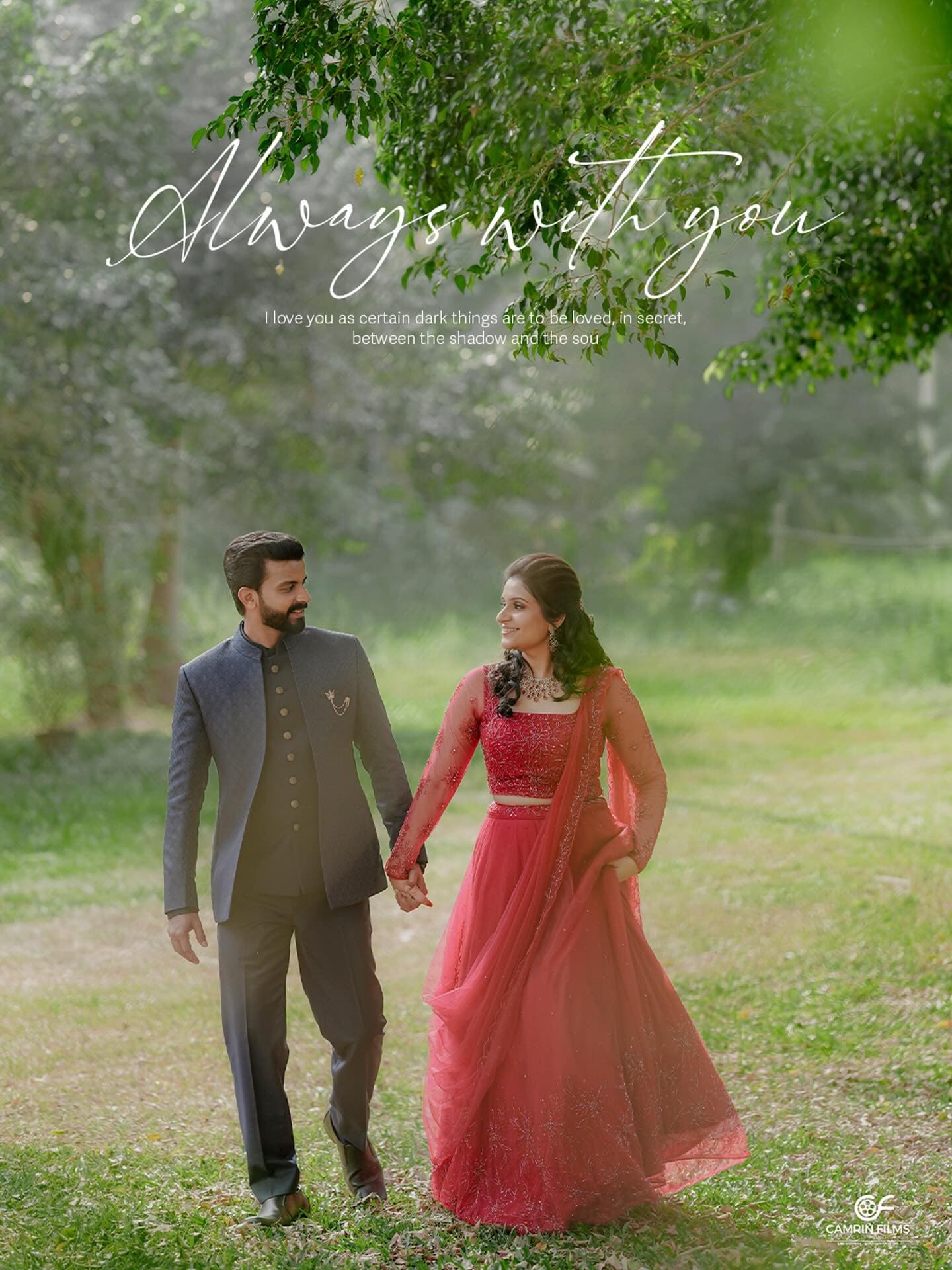
Camrin Films
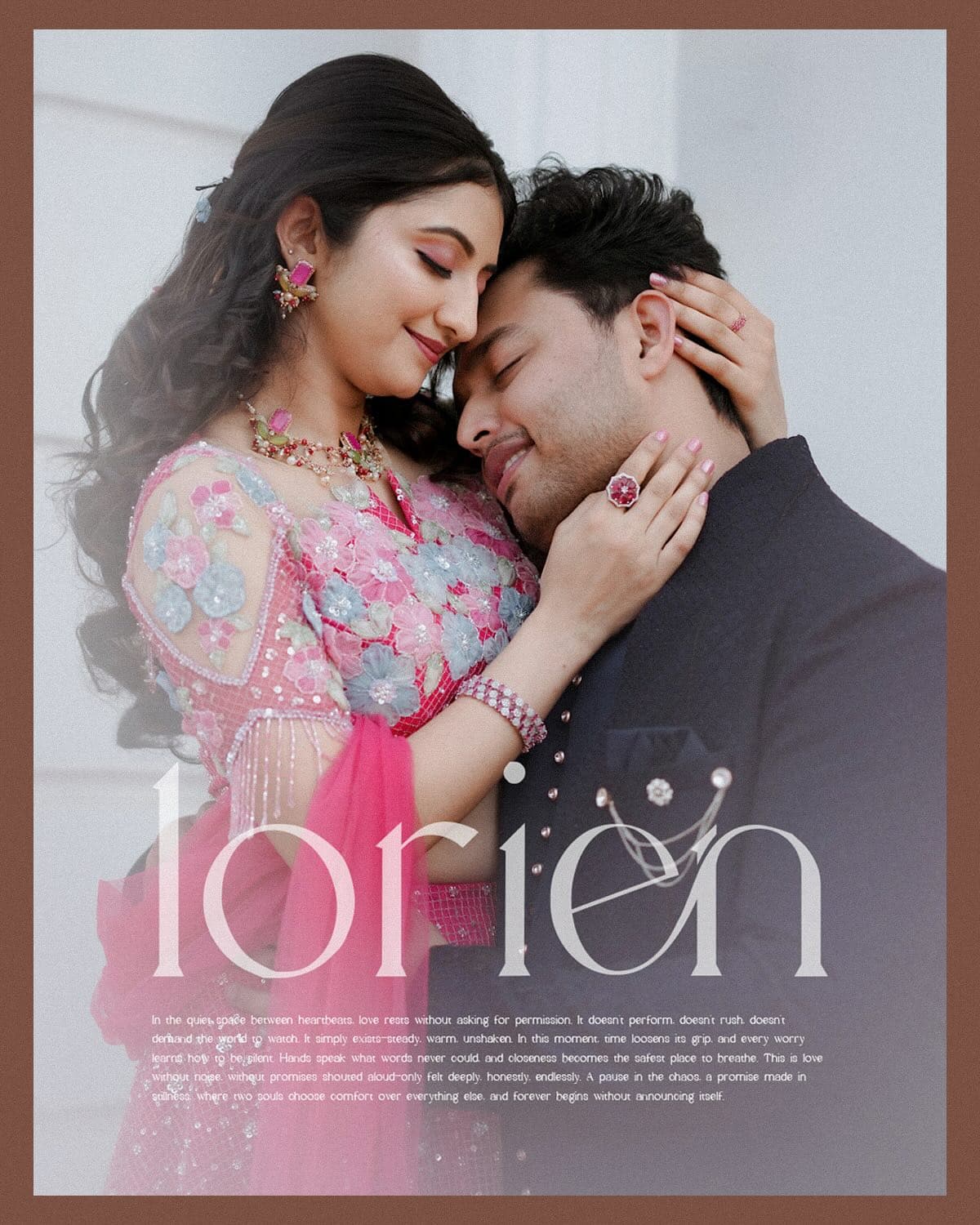
Ajay & Merin
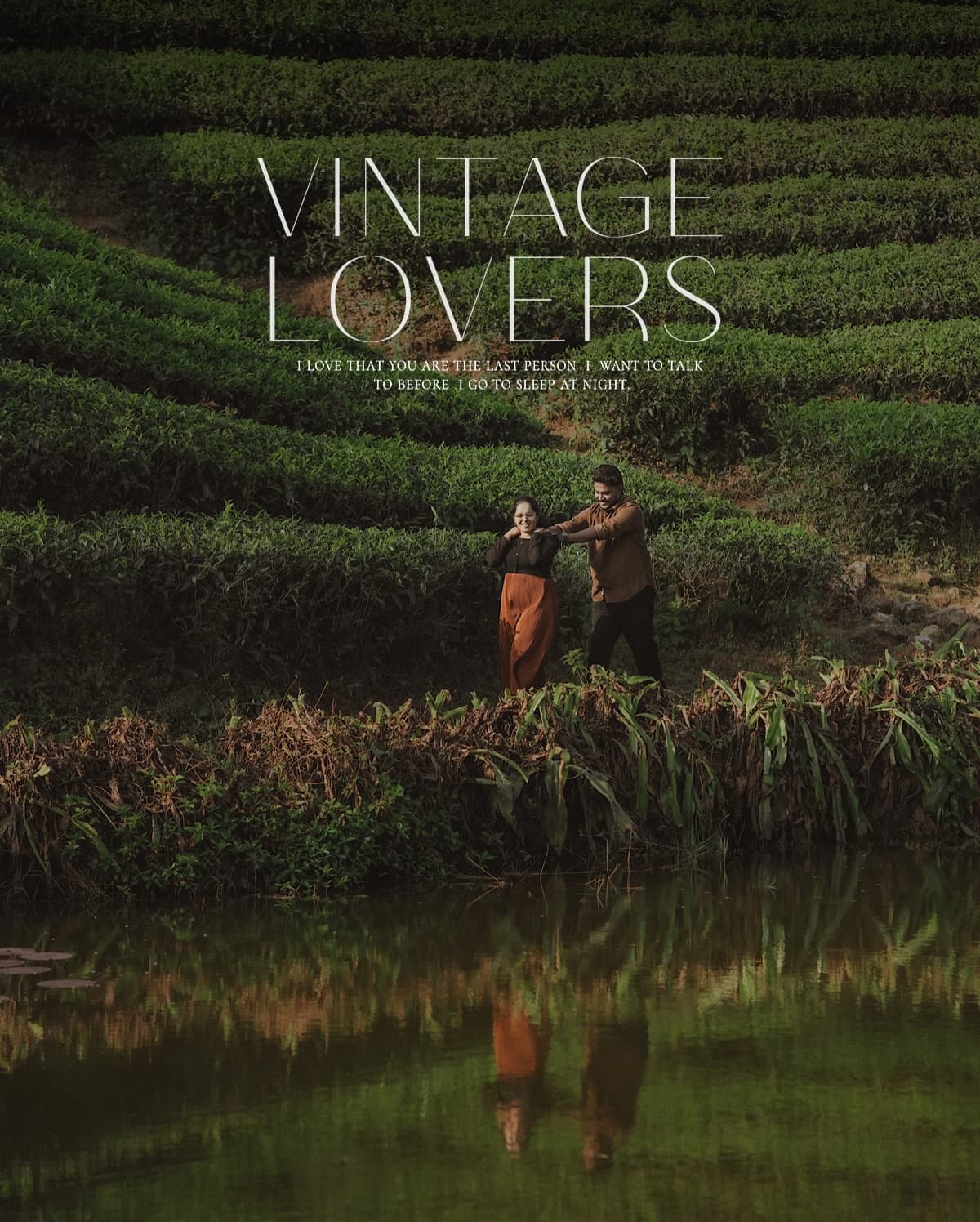
Rubin & Stephy
Wedding Venues in Kolkata
Venues where we have photographed and would love to shoot
What Couples Say About Camrin Films
“They flew all the way to Paris and delivered cinematic masterpieces. Highly recommended!”
“The team blended into our guests so seamlessly. Pure candid magic. Absolutely worth every rupee.”
“Camrin Films exceeded all our expectations. They captured every raw emotion of our wedding day so naturally.”
Who Will Photograph Your Kolkata Wedding
The same team covers every city we work in. No subcontractors.
- Jackson JacobFounder, Lead Photographer & Cinematographer
- Bibin JosephPhotographer
- Arjun MVPhotographer
- Jerin JosephPhotographer
Wedding Photography Nearby
We cover weddings across West Bengal
Frequently Asked Questions
Wedding photography questions from couples in Kolkata
How much does wedding photography cost in Kolkata?
A Bengali wedding with the gaye holud, the ceremony, and the bou bhaat spans more than one day, which usually means Gold at Rs 2,80,500 or Platinum at Rs 4,57,000 rather than the Rs 1,14,500 single-day tier. Send us your date and venue and we will have a detailed proposal back within 24 hours.
Do you know the Bengali wedding ritual sequence?
Yes, by name and in order: aiburobhat, gaye holud, shubho drishti, mala badal, saat paak, sindoor daan, and bou bhaat. Knowing what comes next is what keeps a photographer facing the right way.
Will you capture the shubho drishti?
Yes, and we treat it as the priority frame of the whole wedding. It happens once, lasts seconds, and cannot be redone, so we are positioned for it well before the bride is brought in.
Do you cover Marwari weddings in Kolkata?
Yes. Kolkata's Marwari community follows a sequence closer to Rajasthani custom than Bengali, across several days and at a different scale. We prepare for whichever tradition the wedding belongs to.
Can you shoot in an old North Kolkata family house?
Yes, and these are among the best settings in the city. Courtyard houses and thakur dalans are dark, tight, and full of character, which is a technical challenge worth planning for rather than avoiding.
When is the wedding season in Kolkata?
Late November through February. Durga Puja takes the city out of commission for a fortnight in autumn, and the summer and monsoon months are hot, humid, and unsuited to anything outdoors.
Do you travel to Kolkata from Kerala?
Yes. The full team travels with its own equipment, travel and stay are inside the quoted figure, and we arrive early enough to see the venue and the family house in person before the wedding.
How far ahead should we book?
Six to nine months. Auspicious dates in the winter window are concentrated tightly, so venues and crews for those specific days go early.
Plan Your Kolkata Wedding?
Tell us about your wedding and we'll put together a bespoke package. We respond within 24 hours.