

Wedding Photographer in Agra
Agra has the most recognisable building on earth sitting on a bend of the Yamuna, and everything else about the city lives in its shadow. The Taj is a mausoleum built for a wife, which gives it a peculiar weight as a backdrop for a wedding, and it draws millions of visitors a year who all want the same photograph. Agra Fort, Fatehpur Sikri, and the smaller Mughal tombs are the parts most people skip. Camrin Films travels here for sessions and weddings.
+91 9745519554
10+
Years of Experience
5000+
Weddings Captured
20+
Cities Covered
4.9 ★
Google Rating
Agra as a pre-wedding destination
Agra is a pre-wedding city more than a wedding city, at least for couples coming from outside. Most bookings here are for a session against the Mughal monuments, paired with a wedding held somewhere else, and the local wedding market itself runs to Uttar Pradesh custom in banquet halls and farmhouse venues that look much like those anywhere in the north.
Photographing the Taj Mahal: what is actually permitted
The Taj Mahal is the reason people come and it carries the most restrictions of any monument in India. It is an Archaeological Survey protected site and a UNESCO World Heritage site. Tripods and professional lighting are not permitted inside, commercial photography requires prior permission and fees, and the queues and security screening consume real time. Anyone promising you an unrestricted shoot inside the complex is either uninformed or lying.
Mehtab Bagh, the garden directly across the Yamuna from the Taj, is where most of the good photographs actually get made. It gives the full elevation of the monument across the river with far fewer people, it works at sunrise and sunset, and it does not carry the same interior restrictions. Rooftop terraces in Taj Ganj offer another angle. Both need timing rather than luck.
The Taj is closed to visitors on Fridays and it opens at sunrise, which is when the marble does something no other time of day reproduces. Morning haze off the river is common in winter and can soften the monument to almost nothing, which is either the photograph you wanted or the one that ruins the trip. We plan for both possibilities rather than banking on a clear morning.
Agra Fort, Itmad-ud-Daulah and Fatehpur Sikri
Agra Fort, with its red sandstone and the view from the Musamman Burj where Shah Jahan was held, and Itmad-ud-Daulah, the smaller inlaid tomb often called the baby Taj, are both under the same permit regime and both are far less crowded. Fatehpur Sikri, forty kilometres out, is an entire abandoned Mughal city and gives a session scale that the Taj complex will not allow.
Monument permits for a commercial shoot
The permit process is the practical service we provide here. Commercial photography at Archaeological Survey monuments requires application, fees that vary by site, and lead time. A crew that arrives without it will be stopped at the gate, and the day is lost. We handle it before travelling rather than treating it as the couple's problem.
Air quality and the best months to visit
Air quality is the seasonal factor that matters most. Agra sits in the Indo-Gangetic plain and winter brings serious haze and smog that can obscure the monument entirely for days. October and November, and again February and March, give the best combination of workable temperature and clearer air. Summer here passes forty-five degrees.
Agra usually sits inside a longer itinerary rather than standing alone. Couples booking a session here are often travelling Delhi to Agra to Jaipur across four or five days, and treating the three cities as one commission works better than three separate ones. The permits, the crew, and the travel are all planned once, the shooting days are spread so that each city gets its best light, and the edit reads as a single body of work rather than three unrelated sets.
Anyone booking a wedding photographer in Agra should ask what the team has actually secured in writing before the trip. The whole value of coming here rests on access, and access is administrative rather than creative.
Wedding photography in Agra itself
Local weddings in Agra follow North Indian sequence across several days, with the baraat, the pheras, and a reception. Marble in flat morning haze, red sandstone in hard afternoon light, and a banquet hall at night are three separate problems and each is edited on its own terms. Candid wedding photography does the work around a session that is otherwise heavily composed, and wedding cinematography is available for couples who want a film alongside, shot by the same team.
Wedding Photography Portfolio
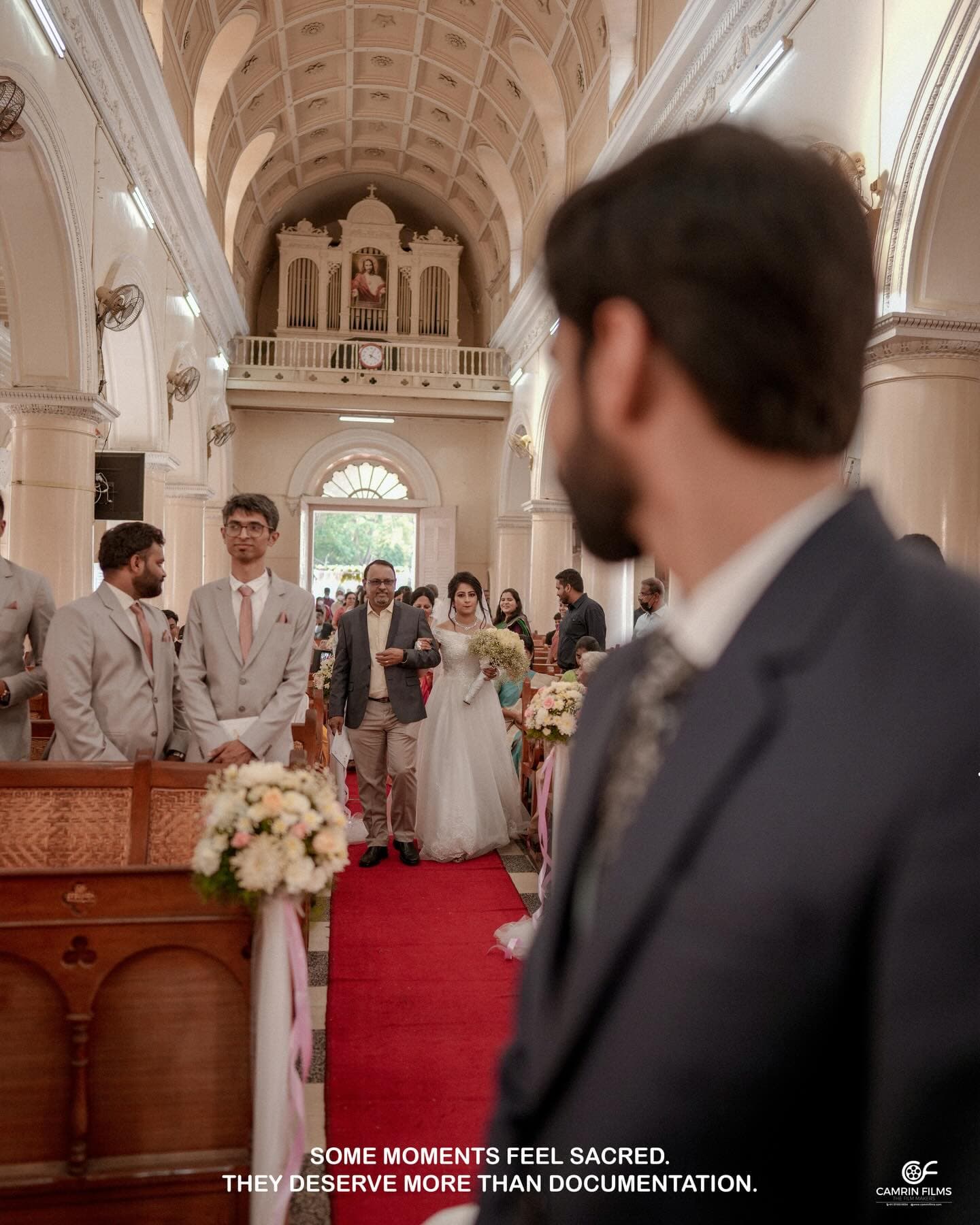
Camrin Films
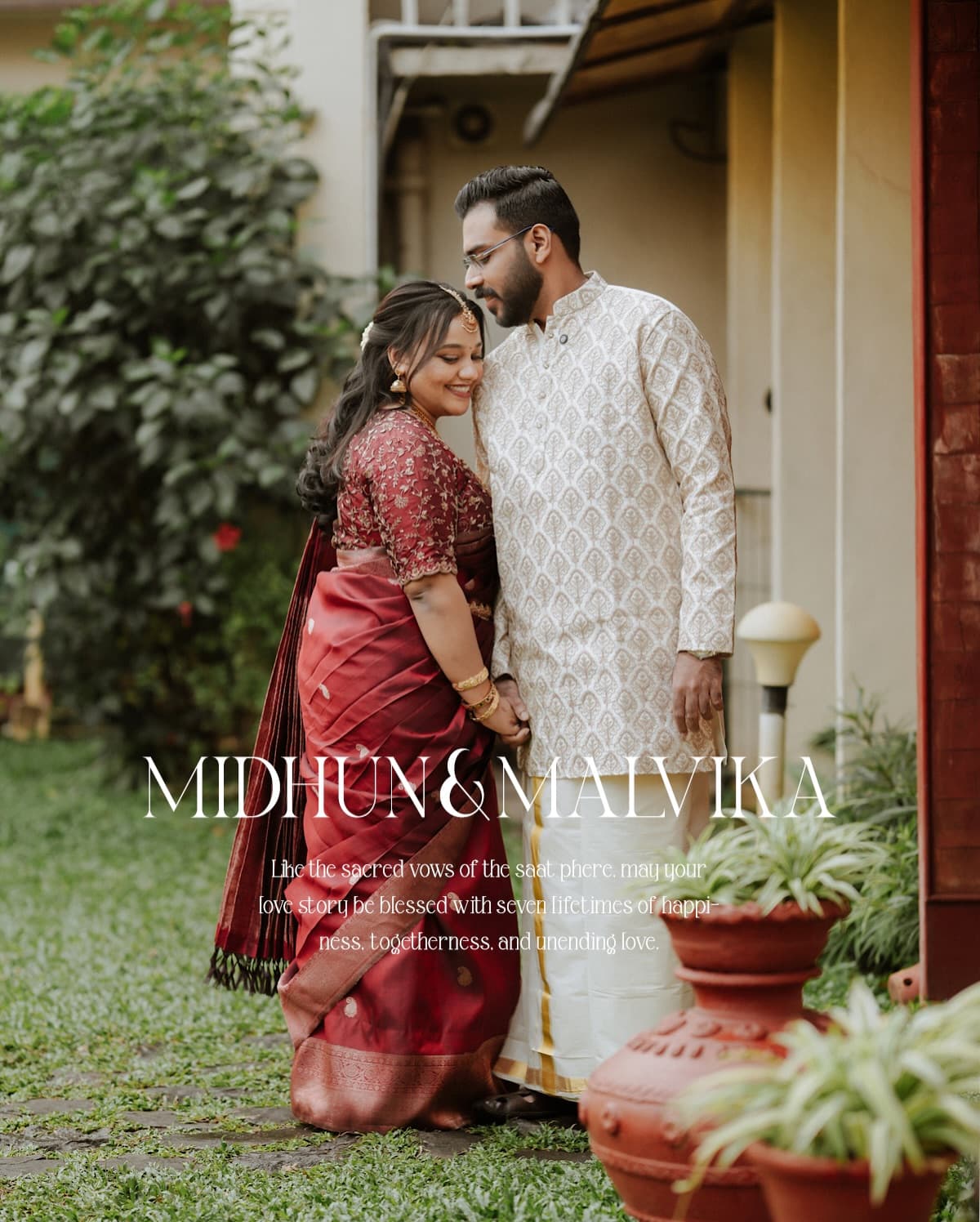
Midhun & Malavika
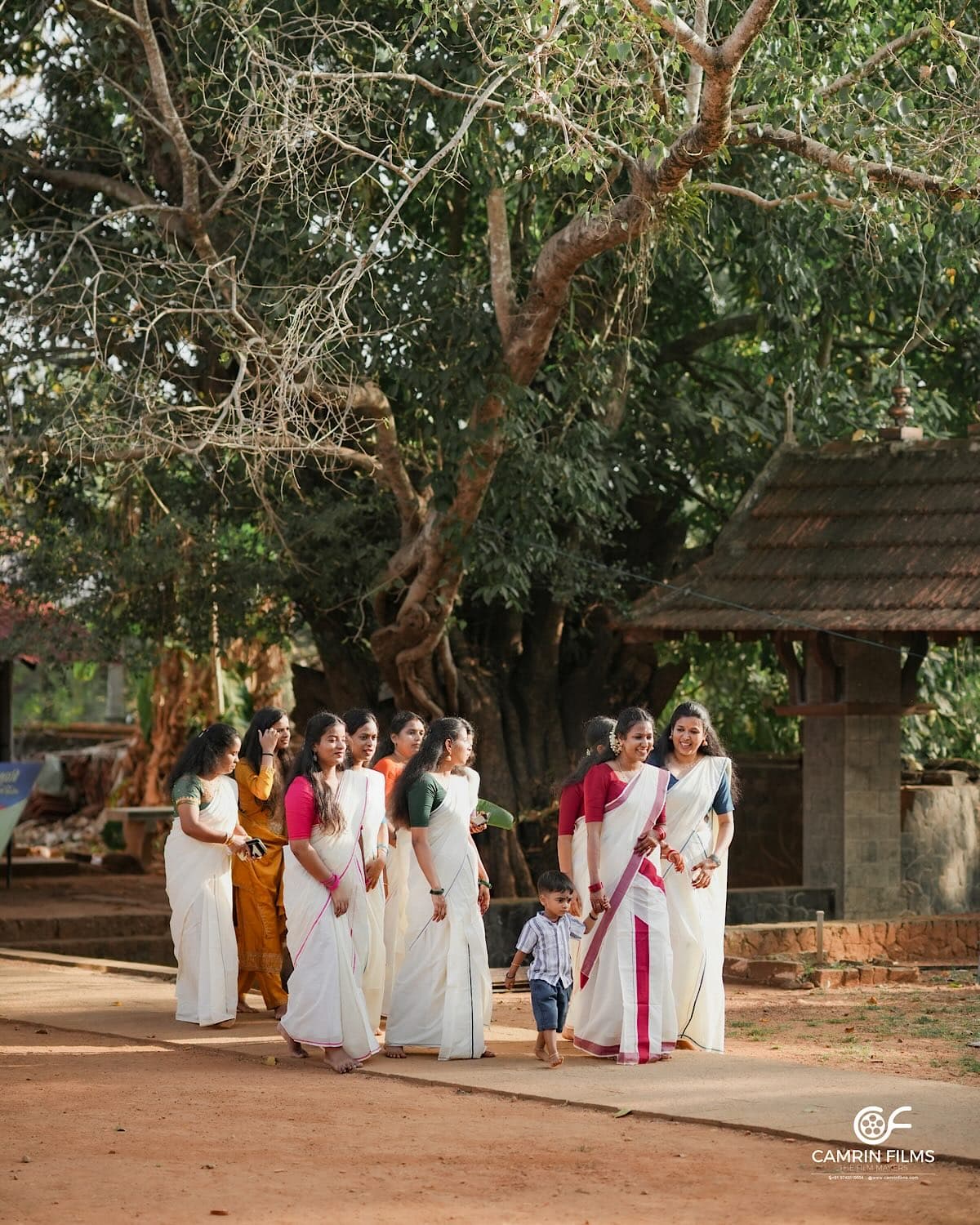
Camrin Films
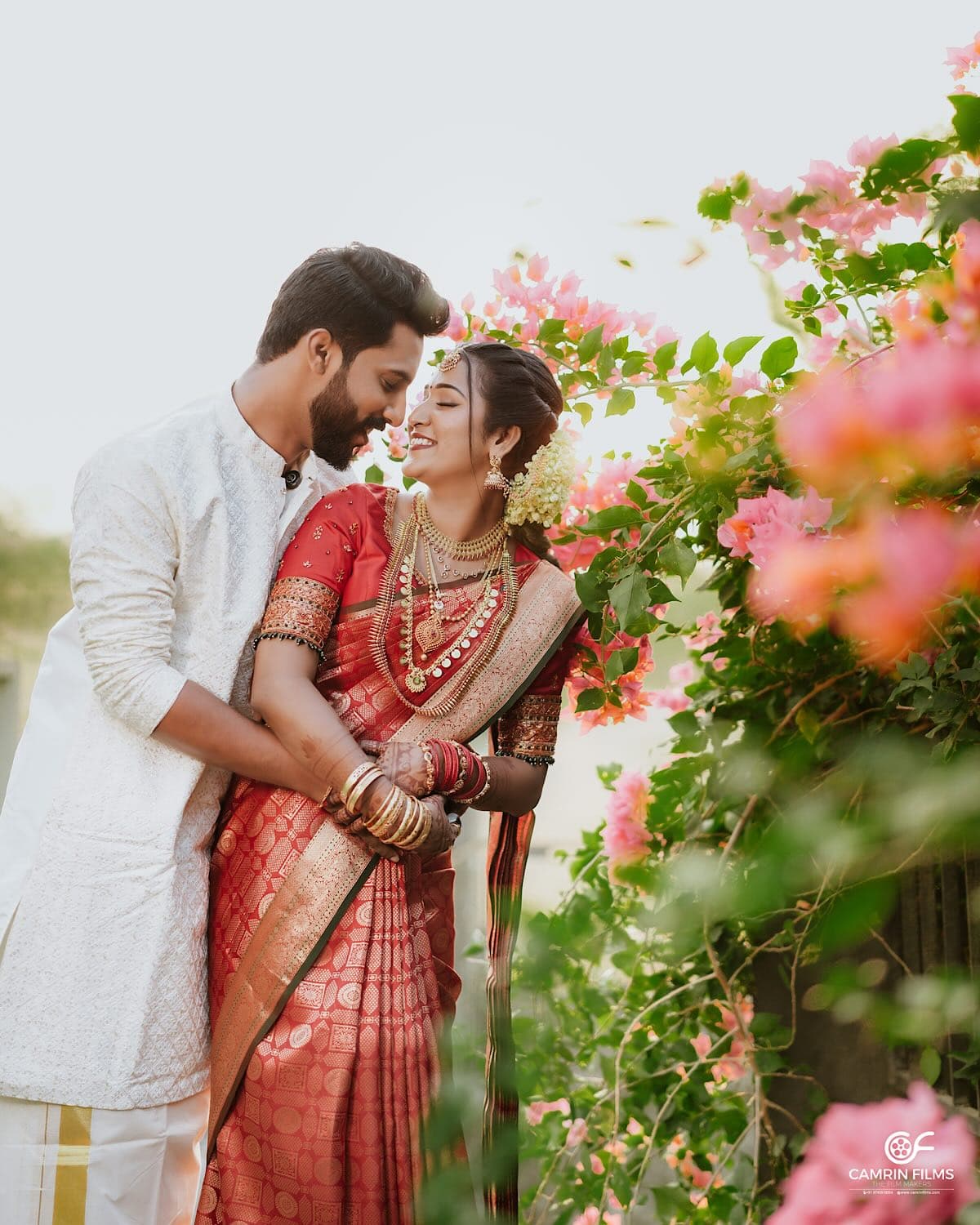
Jeevan & Vindhuja
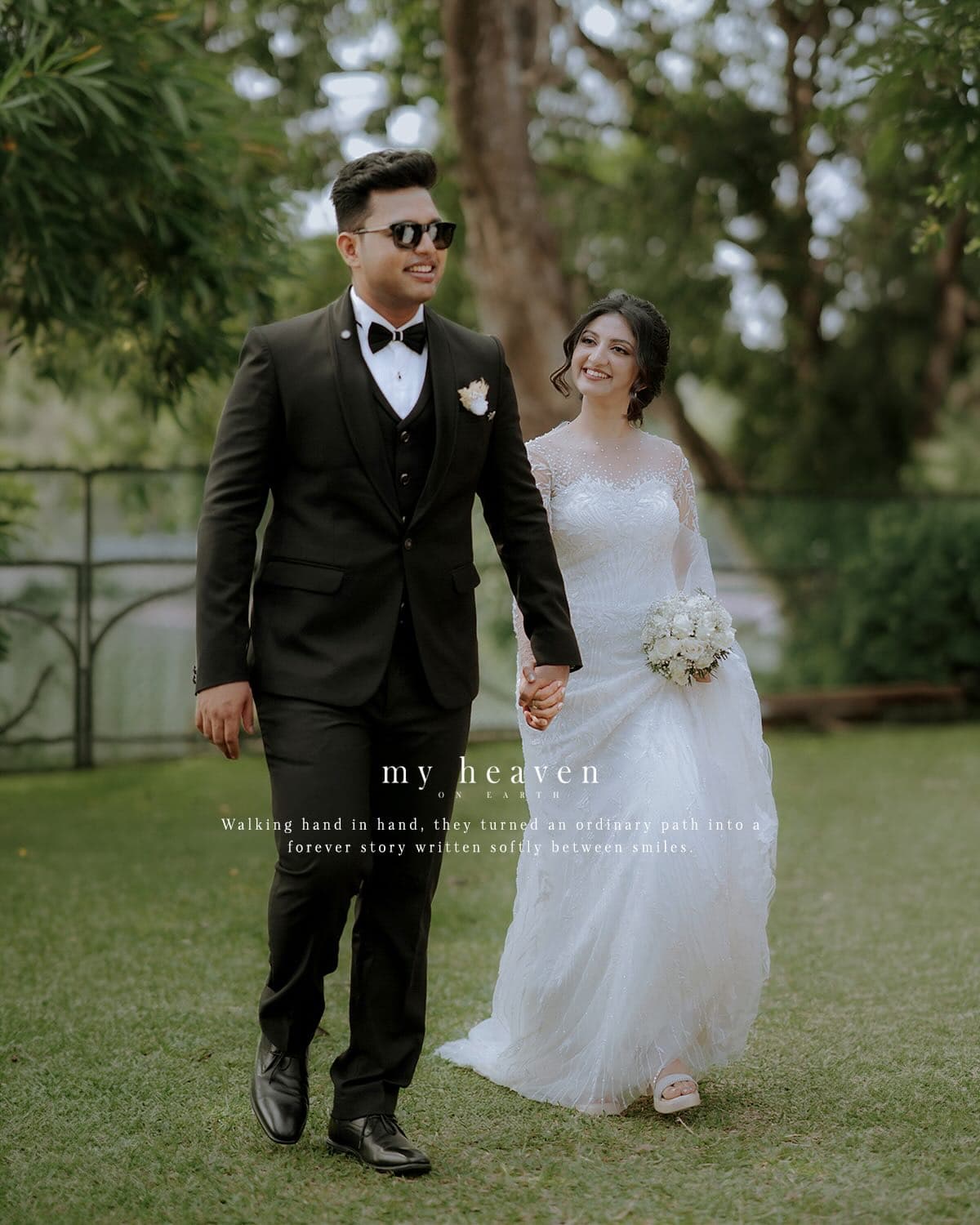
Ajay & Merin
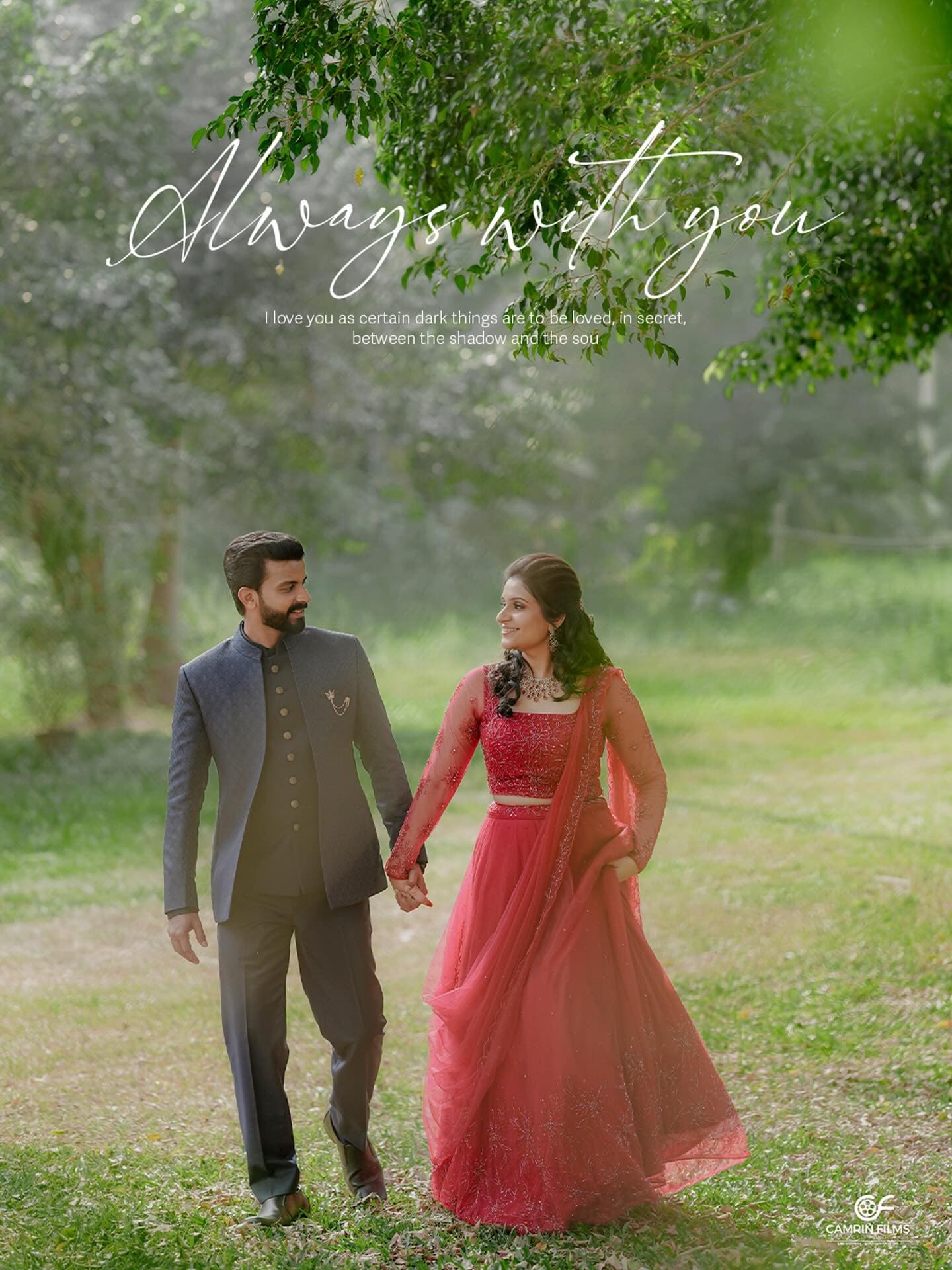
Camrin Films

Ajay & Merin
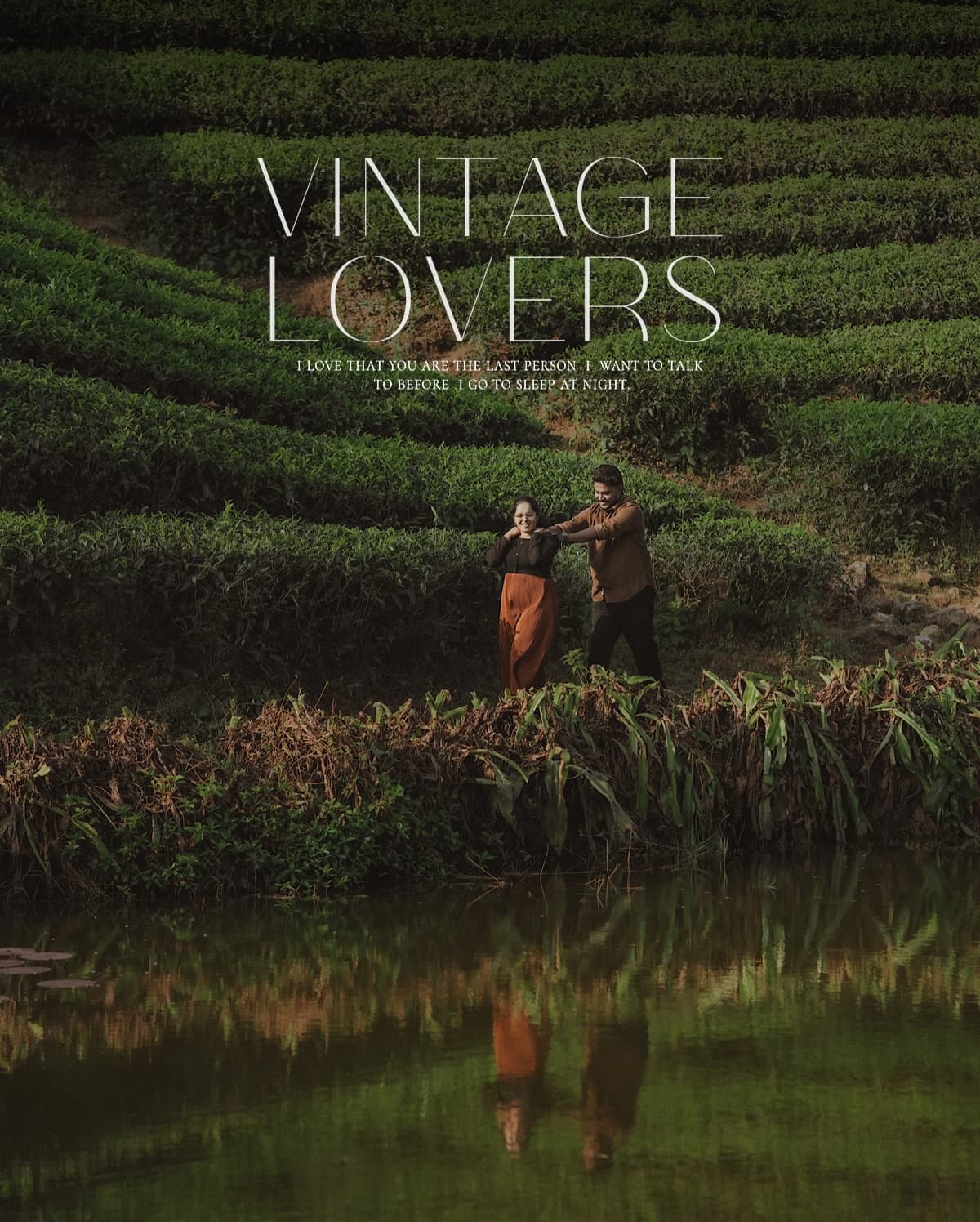
Rubin & Stephy
Wedding Venues in Agra
Venues where we have photographed and would love to shoot
What Couples Say About Camrin Films
“They flew all the way to Paris and delivered cinematic masterpieces. Highly recommended!”
“The team blended into our guests so seamlessly. Pure candid magic. Absolutely worth every rupee.”
“Camrin Films exceeded all our expectations. They captured every raw emotion of our wedding day so naturally.”
Who Will Photograph Your Agra Wedding
The same team covers every city we work in. No subcontractors.
- Jackson JacobFounder, Lead Photographer & Cinematographer
- Bibin JosephPhotographer
- Arjun MVPhotographer
- Jerin JosephPhotographer
Wedding Photography Nearby
We cover weddings across Uttar Pradesh
Frequently Asked Questions
Wedding photography questions from couples in Agra
How much does a pre-wedding shoot in Agra cost?
Sessions start at Rs 45,000 for a half day, with monument permit fees quoted separately since they are set by the Archaeological Survey and vary by site. Most Agra bookings pair with a wedding elsewhere, so send us both dates for one combined proposal within 24 hours.
Can we photograph inside the Taj Mahal?
Only within the site's rules. Tripods and professional lighting are not permitted inside, and commercial photography needs prior permission and fees. Anyone promising an unrestricted shoot inside the complex is not being honest with you.
Where do the best Taj photographs get made?
Mehtab Bagh, the garden directly across the Yamuna. It gives the full elevation of the monument with far fewer people, works at both sunrise and sunset, and does not carry the interior restrictions.
Do you handle the monument permits?
Yes, before travelling. Archaeological Survey sites require application, fees and lead time, and a crew arriving without clearance is stopped at the gate. The whole value of an Agra shoot rests on access.
Is the Taj open every day?
No. It is closed to visitors on Fridays. It opens at sunrise, which is when the marble is at its best, so we build the session around the opening rather than a comfortable hour.
What about winter haze and smog?
It is a real risk. Agra sits in the Indo-Gangetic plain and winter haze can obscure the monument for days. We plan for both a clear morning and a soft one rather than banking on perfect conditions.
What else is worth shooting in Agra?
Agra Fort, Itmad-ud-Daulah with its inlaid stonework, and Fatehpur Sikri forty kilometres out. All are far less crowded than the Taj, and Fatehpur Sikri gives a scale the Taj complex will not allow.
When is the best time to visit for a session?
October to November, or February to March. These give workable temperatures and clearer air. Summer passes forty-five degrees and peak winter brings the worst of the haze.
Plan Your Agra Wedding?
Tell us about your wedding and we'll put together a bespoke package. We respond within 24 hours.