

Wedding Photographer in Lucknow
Lucknow keeps a manner that the rest of North India gave up. Awadh's court left behind a way of speaking, a way of receiving guests, and a cuisine that all survive in the older parts of the city. The Bara Imambara's central hall stands without a single supporting pillar, the Rumi Darwaza frames a road that traffic now pours through, and the chikankari workshops still stitch by hand in Chowk. Camrin Films travels to Lucknow for weddings.
+91 9745519554
10+
Years of Experience
5000+
Weddings Captured
20+
Cities Covered
4.9 ★
Google Rating
Awadhi tehzeeb and how to behave in the room
Awadhi tehzeeb is the thing outsiders notice first and misread most often. Courtesy here is formal and deliberate, hospitality follows an order, and the elaborate politeness that surrounds a Lucknow wedding is not decoration. It shapes how a photographer should behave in a room. Moving loudly through an Awadhi gathering will get you remembered for the wrong reason.
Nikah, walima and the Lucknow sequence
Lucknow's Muslim weddings run to a sequence with real depth: the mangni, the manjha, the mehendi, the nikah, the rukhsati, and the walima. The Shia community here, historically substantial and closely tied to the imambaras, observes its own conventions, and Muharram takes the city out of the wedding calendar for a period each year. We check the date against that before anything else.
Kayastha and other Hindu families in Lucknow marry according to their own tradition, with the baraat, pheras, and a reception, held in the same banquet venues and farmhouses. Two distinct wedding cultures sit in one city and we prepare for whichever one we are booked for rather than blending them.
Photographing chikankari
Chikankari is Lucknow's signature and it is a genuine photographic problem. White thread on white or pale fabric, worked in shadow stitches that read by texture rather than by colour, disappears entirely under flat frontal light. Photographing a chikankari outfit so the work is actually visible needs raking light across it, and it needs an editor who knows the detail is there to protect.
Imambaras, the Residency and permits
The heritage settings are extraordinary and mostly protected. Bara Imambara with its bhool bhulaiya labyrinth, Chota Imambara, the Rumi Darwaza, and the ruins of the Residency all sit under Archaeological Survey or state control, and commercial photography at them requires permission and fees. The Residency's shell-marked walls in particular give a session something no other North Indian city offers.
The dastarkhwan and the walima
Lucknow food is part of the wedding rather than a service alongside it. The Awadhi dastarkhwan, the kebabs, the biryani, and the sequence in which dishes arrive carry as much family pride as the ceremony. Families here expect that documented properly rather than covered in a few incidental frames, and we plan for it.
Lucknow is the wedding city for a very large hinterland, and that shapes the guest list. Families from Barabanki, Sitapur, Faizabad, Rae Bareli, and further across eastern Uttar Pradesh hold their weddings here because the venues, the jewellers, the chikankari workshops, and the airport are all in one place. A substantial share of the guests at any Lucknow wedding have travelled in that day and will leave the next, which concentrates the family portrait work into a narrow band. We agree that list in advance rather than assembling it while relatives are already leaving.
The walima in particular runs to a scale that outsiders underestimate. It is a hosted feast rather than a reception in the Western sense, the guest count can exceed the nikah's several times over, and the family's standing is bound up in how it is received. Coverage that treats it as an epilogue to the ceremony has misread the whole wedding.
Season, fog and booking ahead
Season is October to March. Summer in Uttar Pradesh is severe, the monsoon runs July through September, and the winter months carry almost the whole wedding calendar. Lucknow also gets dense winter fog that can hold into mid-morning, which affects a baraat or an outdoor haldi scheduled early.
Anyone hiring a wedding photographer in Lucknow should ask whether the team knows the difference between the two wedding cultures here and the calendar constraints on each. Getting the Muharram question wrong at the enquiry stage costs a family real time.
Chikankari under raking light, an imambara interior at midday, and a walima in a lit hall at night are three separate problems and each is edited against its own conditions rather than one house look. Candid wedding photography earns its place across an Awadhi wedding, where the ceremony is formal and the feeling sits in the gatherings around it. Wedding cinematography is available for families who want the sequence on film, the film and the photographs made by one team.
Wedding Photography Portfolio
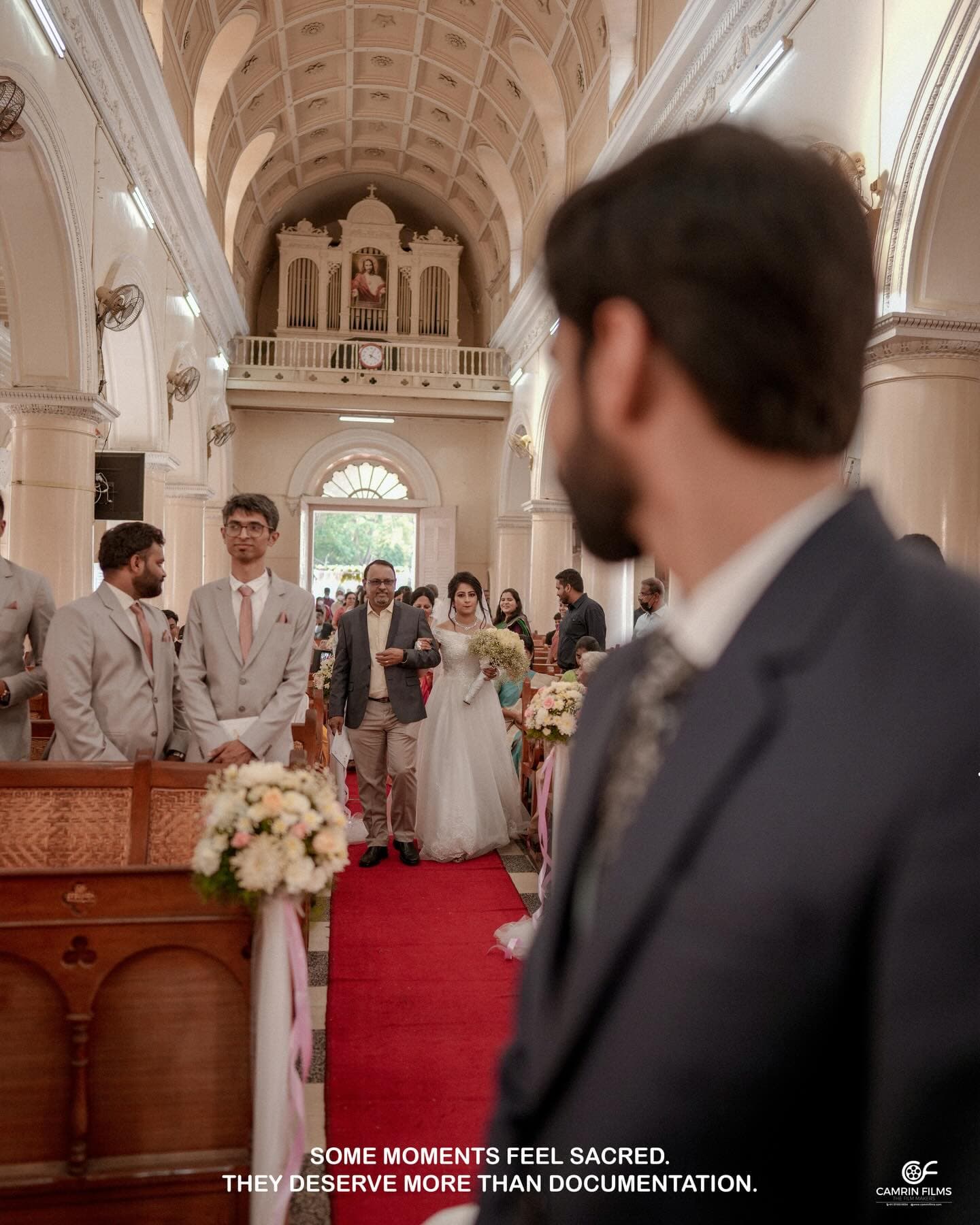
Camrin Films
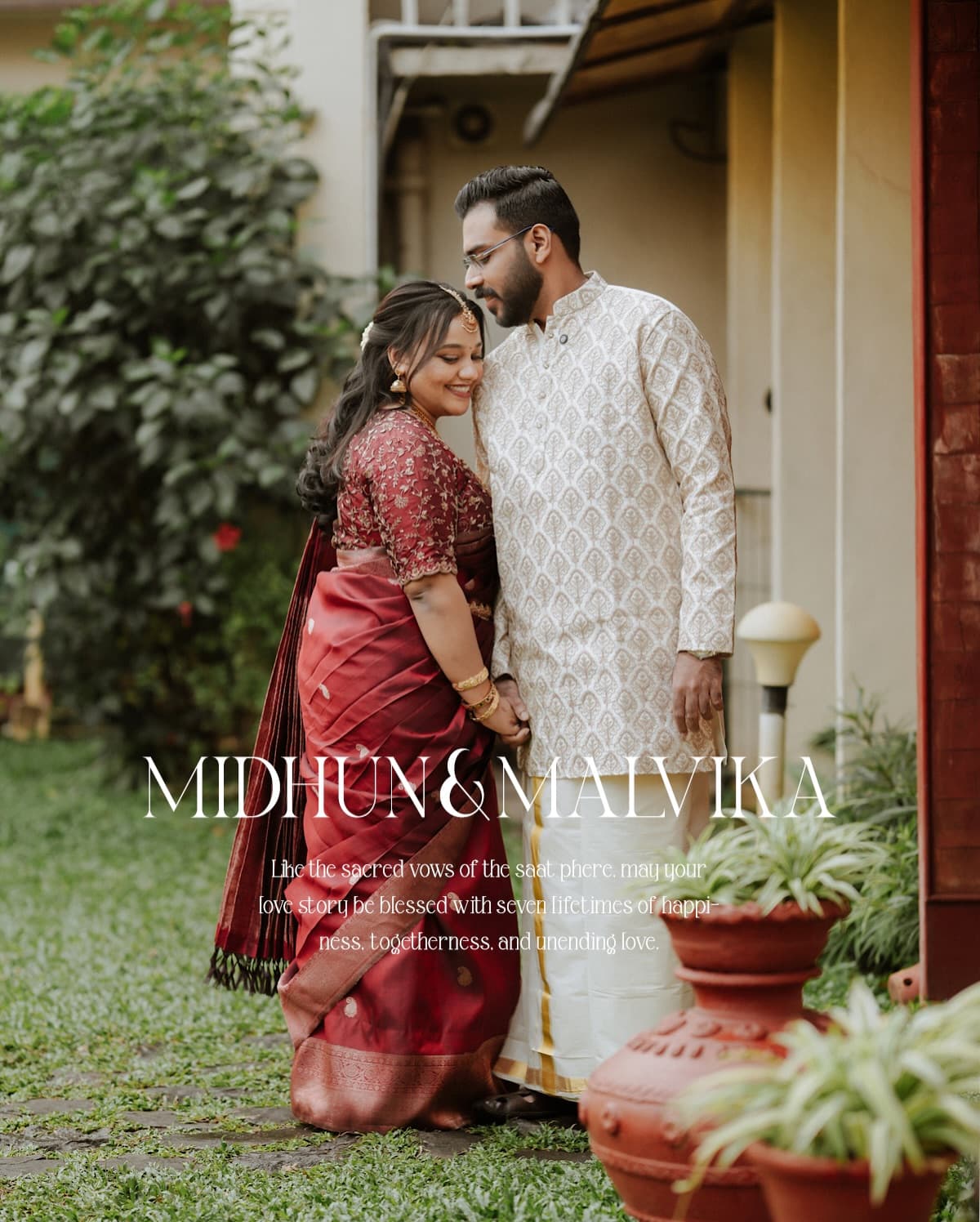
Midhun & Malavika
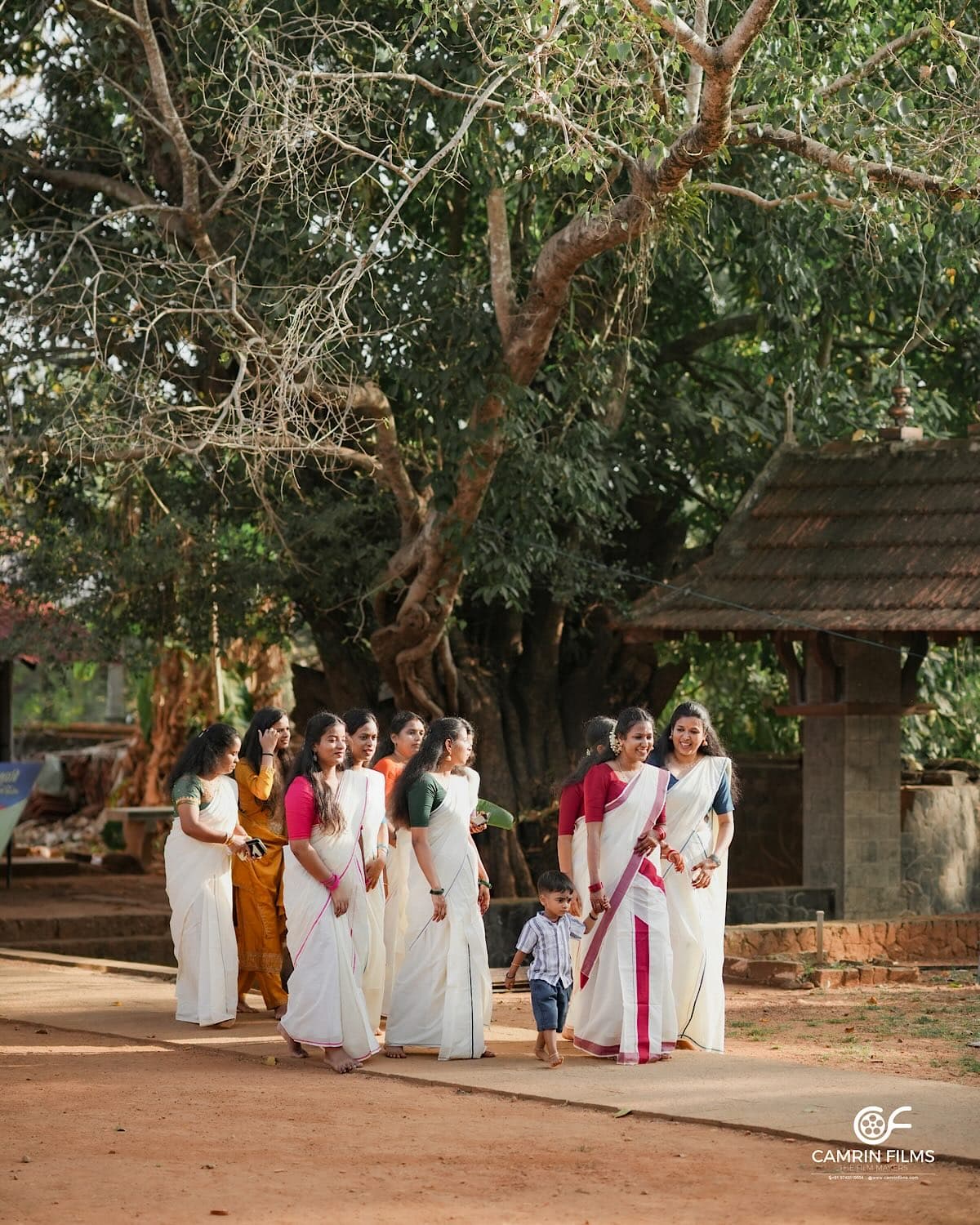
Camrin Films
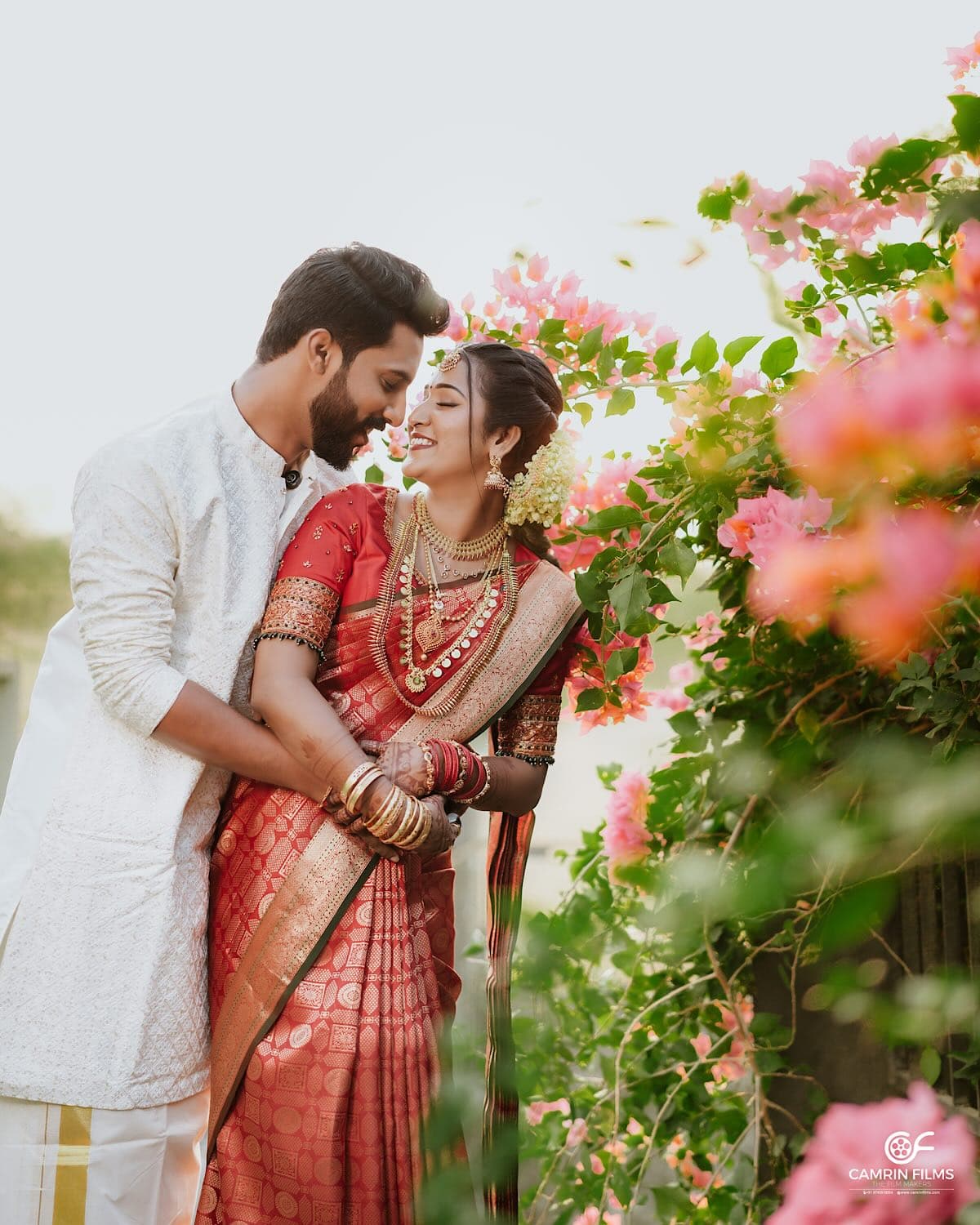
Jeevan & Vindhuja
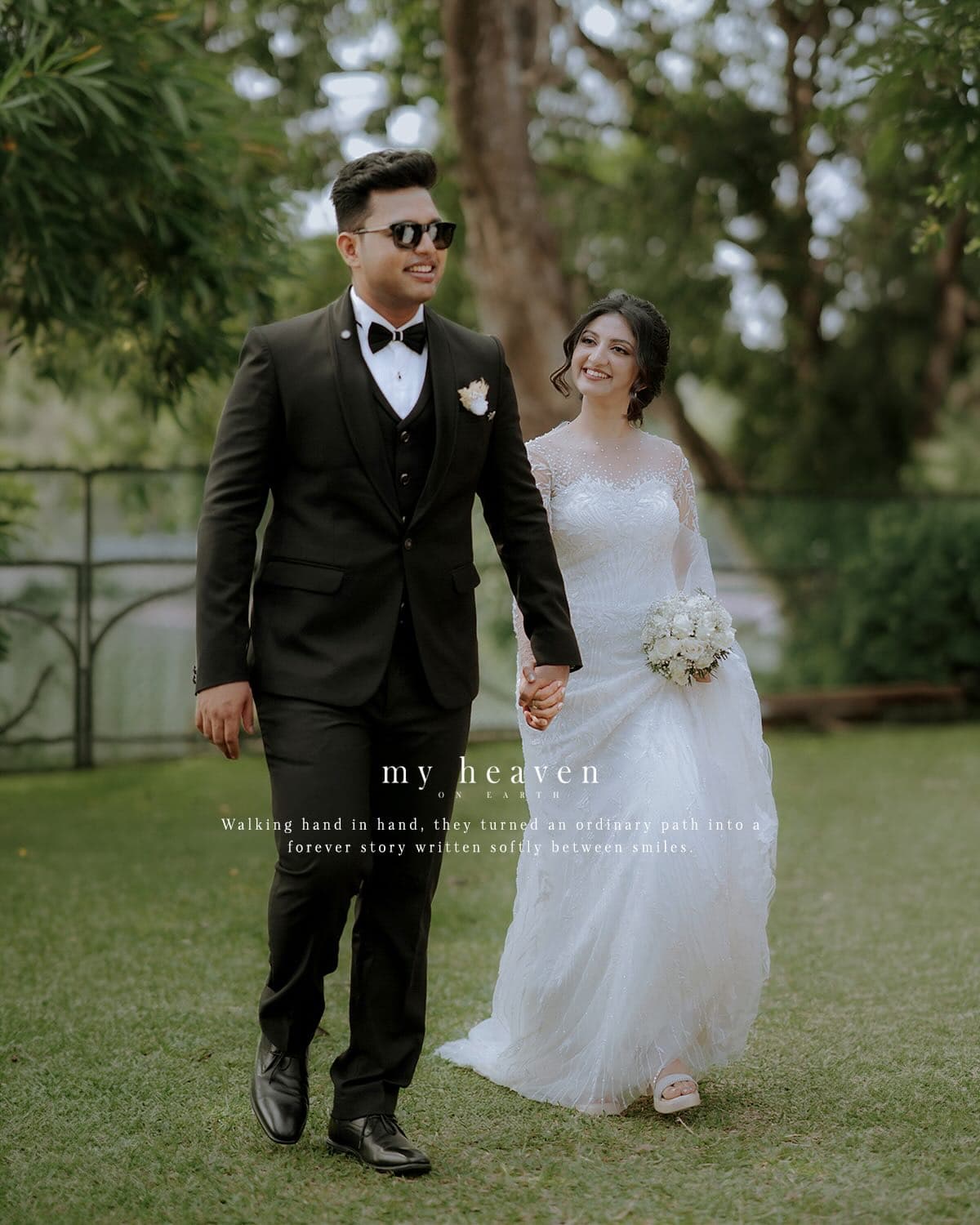
Ajay & Merin
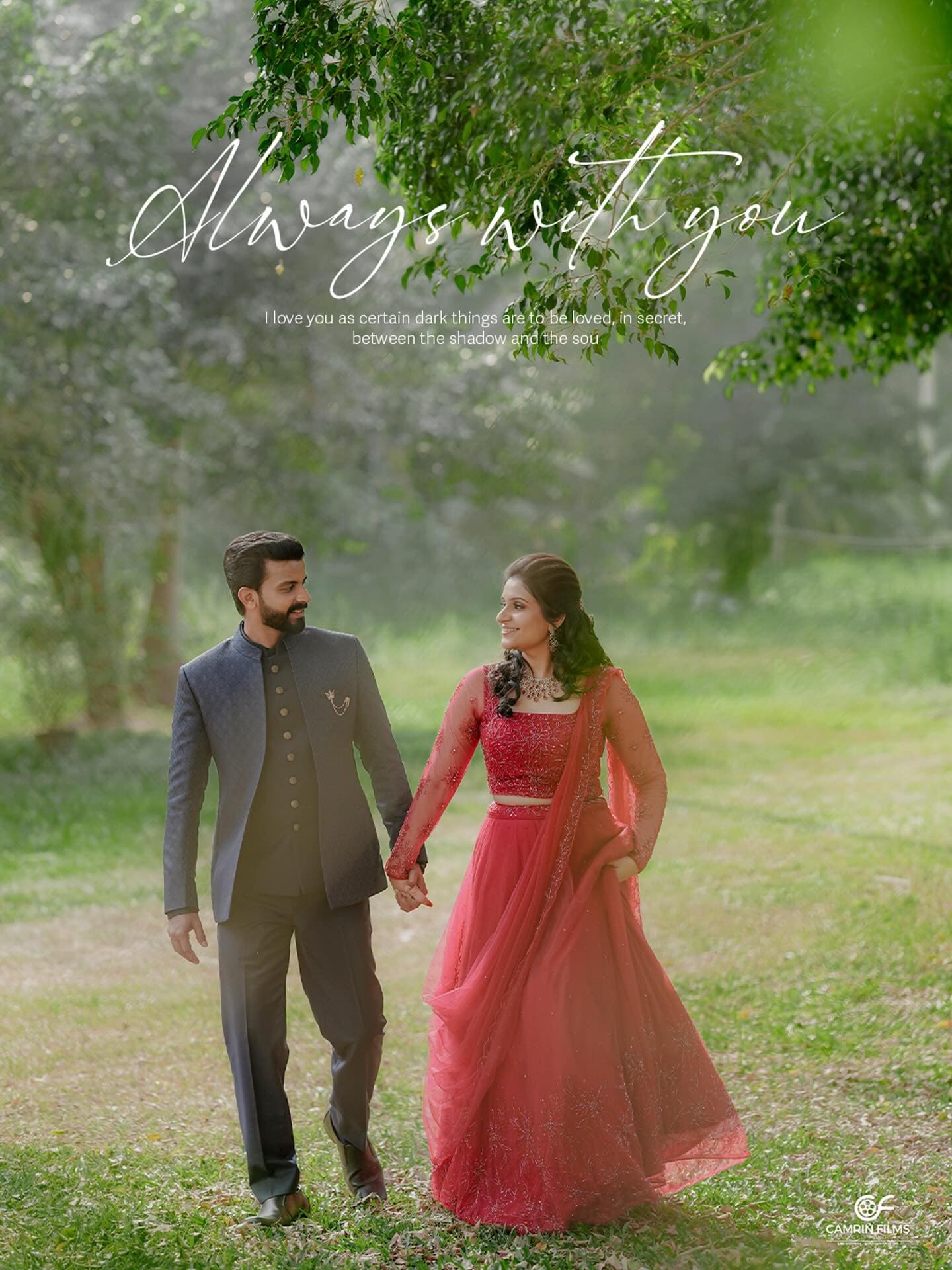
Camrin Films
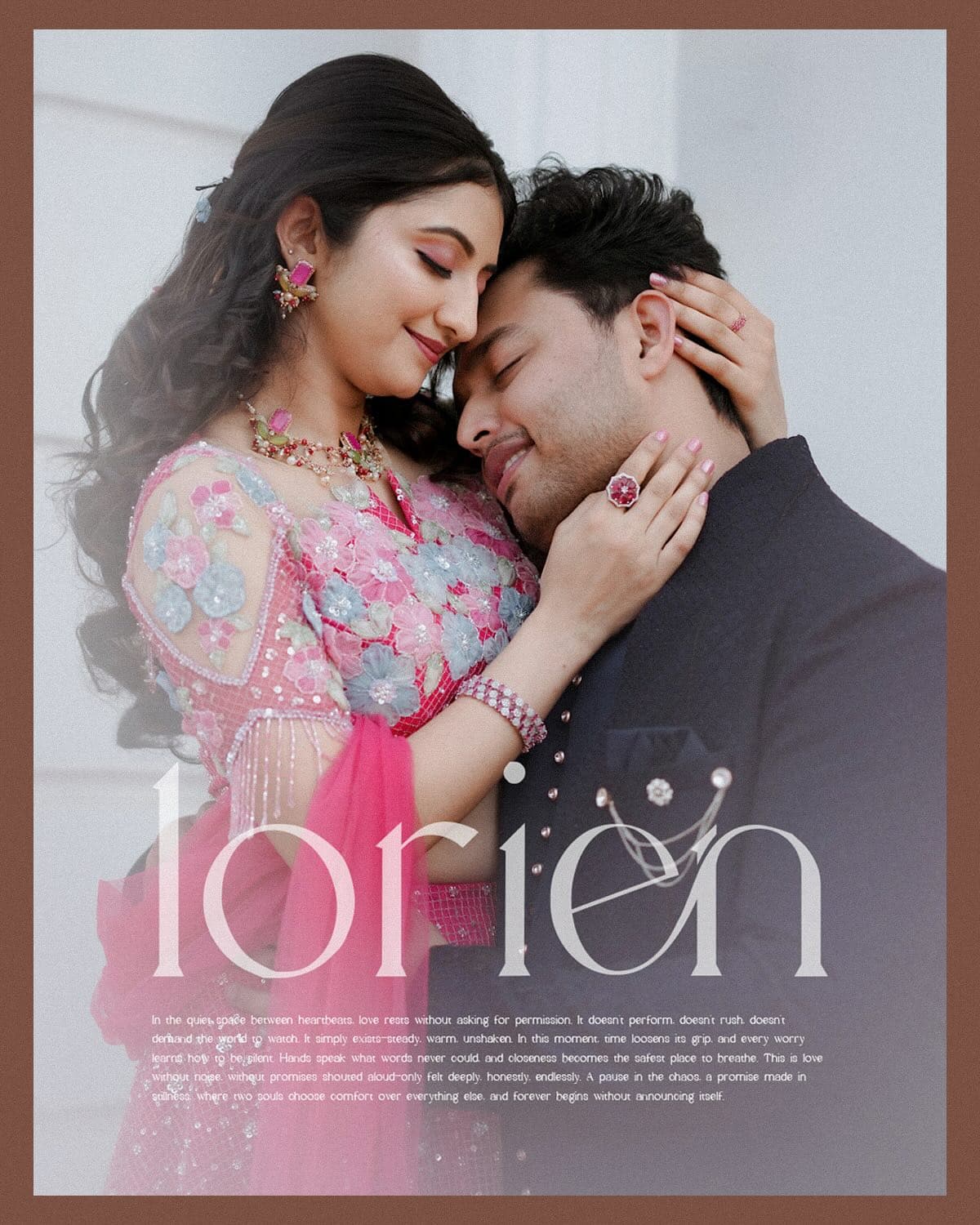
Ajay & Merin
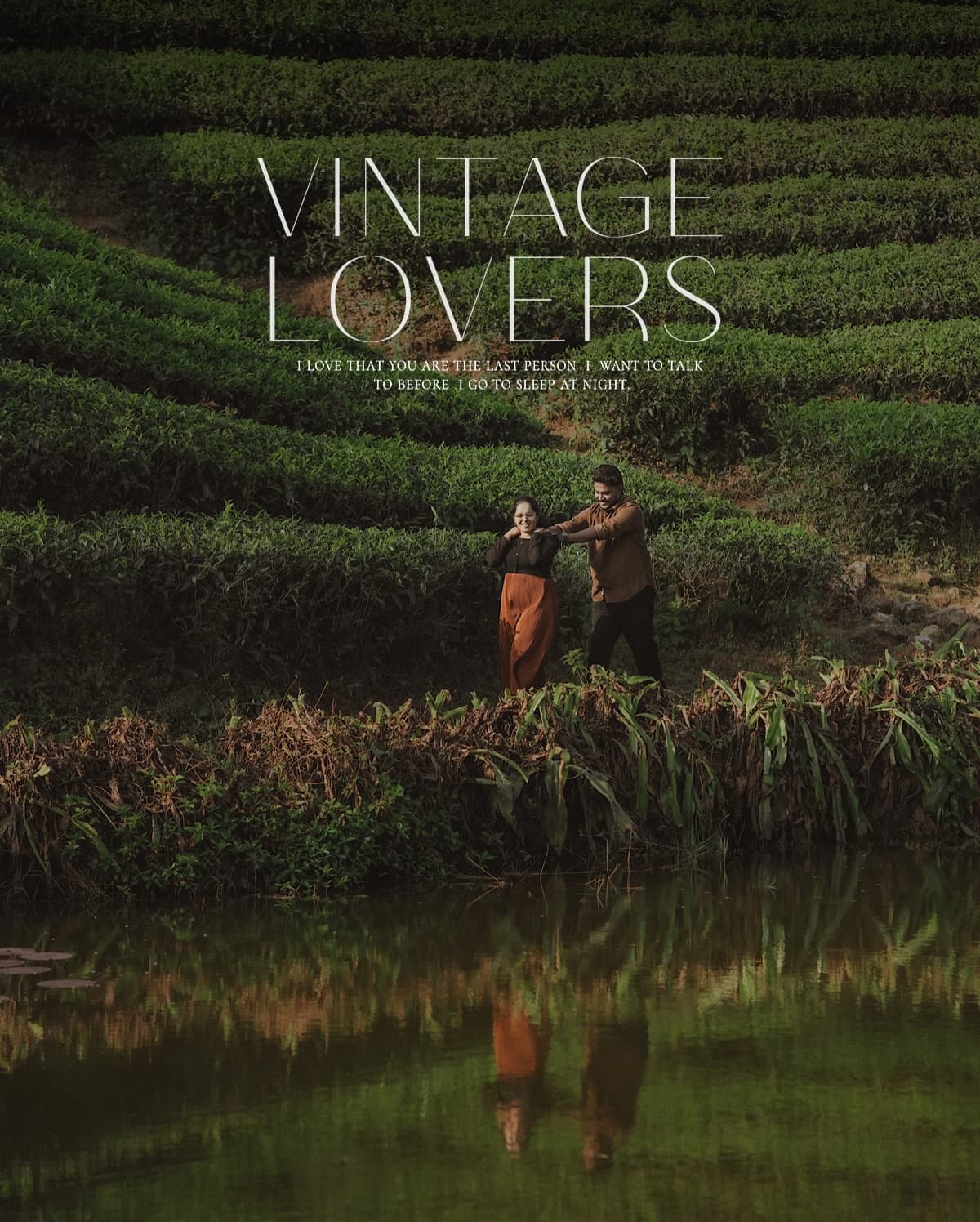
Rubin & Stephy
Wedding Venues in Lucknow
Venues where we have photographed and would love to shoot
What Couples Say About Camrin Films
“They flew all the way to Paris and delivered cinematic masterpieces. Highly recommended!”
“The team blended into our guests so seamlessly. Pure candid magic. Absolutely worth every rupee.”
“Camrin Films exceeded all our expectations. They captured every raw emotion of our wedding day so naturally.”
Who Will Photograph Your Lucknow Wedding
The same team covers every city we work in. No subcontractors.
- Jackson JacobFounder, Lead Photographer & Cinematographer
- Bibin JosephPhotographer
- Arjun MVPhotographer
- Jerin JosephPhotographer
Wedding Photography Nearby
We cover weddings across Uttar Pradesh
Frequently Asked Questions
Wedding photography questions from couples in Lucknow
How much does wedding photography cost in Lucknow?
A wedding spanning mehendi, nikah and walima usually needs the Gold tier at Rs 2,80,500 or Platinum at Rs 4,57,000 rather than the Rs 1,14,500 single day. Travel and stay are inside the quote. Write to us with your dates and the proposal follows within 24 hours.
Do you cover Awadhi Muslim weddings?
Yes, across the full sequence: mangni, manjha, mehendi, nikah, rukhsati and walima. We also check your date against Muharram at the enquiry stage, since it takes the city out of the wedding calendar for a period each year.
Do you cover Hindu weddings in Lucknow?
Yes. Kayastha and other Hindu families here marry with the baraat, pheras and a reception in the same banquet venues. Two distinct wedding cultures share this city and we prepare for whichever one applies.
How do you photograph chikankari?
With raking light rather than flat frontal light. Chikankari is white thread on pale fabric, read by texture rather than colour, and it disappears entirely if it is lit head on. The detail also has to be protected in the edit.
Can we shoot at the Bara Imambara or the Residency?
With permits. These are protected sites under Archaeological Survey or state control and commercial photography requires permission and fees. The Residency's shell-marked walls give a session something no other North Indian city offers.
Will you document the food properly?
Yes, and we plan for it. The Awadhi dastarkhwan carries as much family pride as the ceremony, and covering it in a few incidental frames does not do it justice.
When is the wedding season in Lucknow?
October through March. Summer is severe and the monsoon runs July to September. Winter fog can hold into mid-morning here, which matters for a baraat or an outdoor haldi scheduled early.
How far ahead should we book?
Six to nine months, and earlier if your date falls in the compressed November to February window when the good venues and crews are committed first.
Plan Your Lucknow Wedding?
Tell us about your wedding and we'll put together a bespoke package. We respond within 24 hours.